How To Compare Dining Chair Seat Heights Against An Existing Table
A practical step-by-step guide to how to compare dining chair seat heights against an existing table, including preparation, instructions, common issues, tips, and next steps.
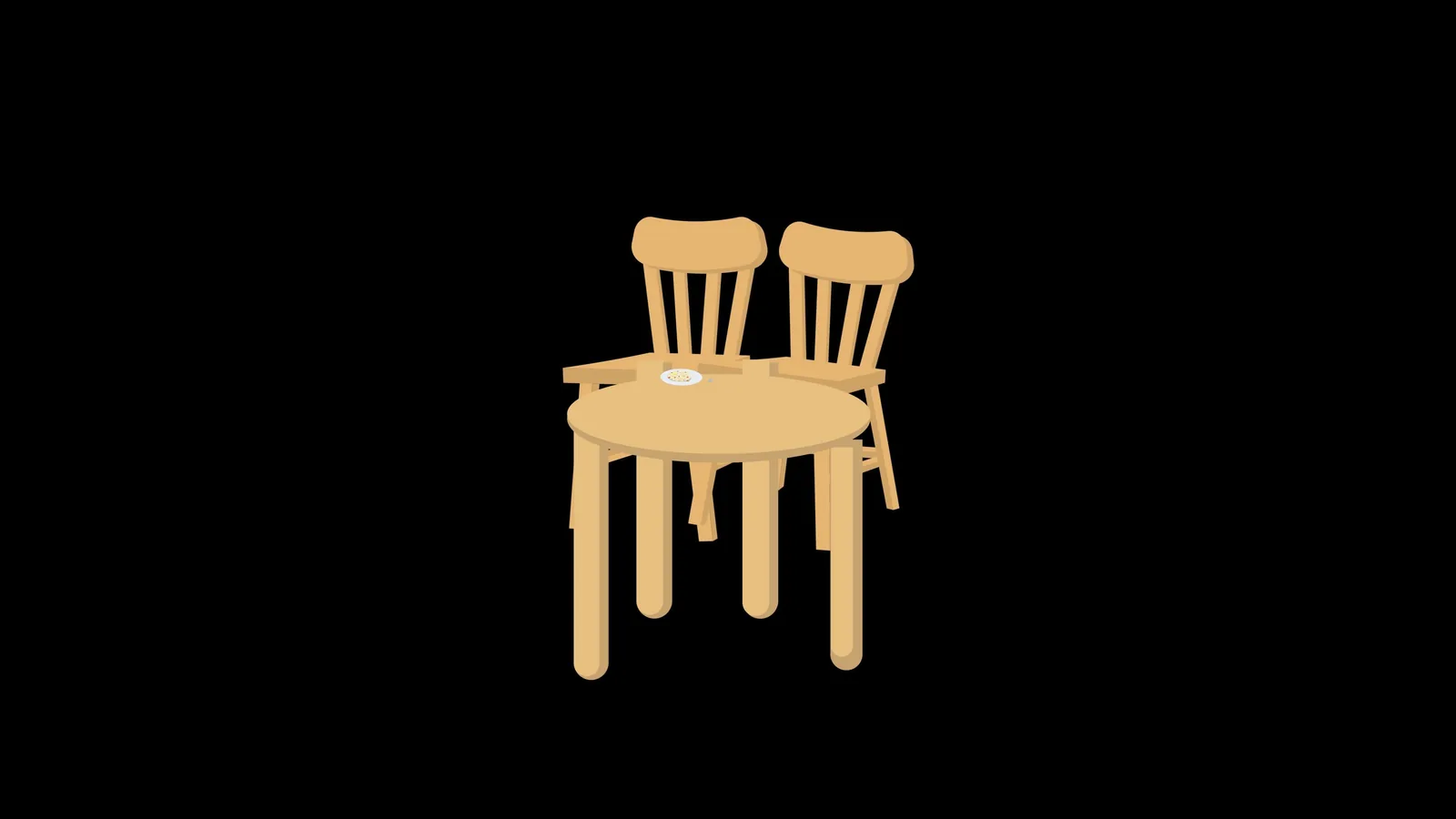
How To Compare Dining Chair Seat Heights Against An Existing Table
Matching dining chair seat height to an existing table is one of the simplest ways to improve comfort and posture at meals. The general guideline is to leave about 10 to 12 inches (25 to 30 centimeters) of clearance between the top of the seat and the underside of the table apron. This guide walks you through measuring your table, measuring candidate chairs, testing the fit, and adjusting for real-world differences such as cushions, uneven floors, and table aprons. You will learn how to compare numbers before buying and how to confirm the match with a seated trial so your chairs and table work together as a set.
Fast Answer
- Measure from the floor to the lowest point of the table apron, then subtract your chair seat height. Aim for 10 to 12 inches of clearance for most adults.
- If you are between sizes, choose the taller chair only when legroom remains comfortable, because a seat that is too low causes more knee strain than one that is slightly high.
Before You Start
- Clear the area under and around the table so you can place a tape measure or ruler vertically from the floor to the underside of the table apron without obstruction.
- Gather a retractable tape measure, a ruler, a spirit level, and a notebook or smartphone for recording numbers. A firm cushion or the chair's own cushion helps you test realistic seating.
- Identify the lowest point of the table structure, which is usually the apron or support rail rather than the tabletop edge, because that point determines your actual knee room.
- Remove or account for thick rugs, floor protectors, and uneven flooring in the dining area, since these can change the effective floor-to-seat height by a noticeable amount.
Step-by-Step Instructions
Measure the table's underside clearance
Start by measuring from the floor to the lowest part of the table where your legs will pass, which is normally the apron or support rail rather than the tabletop. Place the tape measure straight up from the floor at several points around the table, including near the legs and in the middle of each side, and write down the smallest number you find. This lowest measurement is the true limit for knee room. A practical check is to repeat the measurement on two opposite sides of the table and compare them; if the numbers differ by more than a small amount, the table may be tilted or the floor may be uneven, and you should note that difference. This matters because a table that looks level can still have a low apron on one side, and using the average instead of the lowest point can lead to chairs that feel too tall once someone sits down.
Measure each chair's true seat height
Set the chair on the same floor where the table sits, then measure from the floor to the top of the seat surface at the front edge and again at the back edge. Use the average of those two numbers, but keep both figures in your notes because a sloped seat can change how your thighs rest. If the chair has a cushion, measure with the cushion in place, then press down firmly with your hand and measure again to see how much it compresses. A practical check is to sit on the chair briefly and have someone measure from the floor to the top of your thigh at the seat front. This matters because compression and body weight change the effective height, and a chair that measures correctly on paper can still sit lower or higher once it carries a person.
Calculate the clearance and compare numbers
Subtract the chair's average seat height from the table's lowest underside measurement. The result is your clearance, the vertical space between the top of the seat and the bottom of the table structure. For most adults, a clearance of about 10 to 12 inches works well, allowing the thighs to rest comfortably and the elbows to bend naturally at the table. A practical check is to compare your result against that range and also against the height of the people who will use the chairs most often; taller people often prefer the upper end, while shorter people may prefer the lower end. This matters because clearance controls both knee room and how high your hands sit above the table, so a number outside the range usually shows up as pressure on the thighs or shoulders that are raised too high.
Test the fit with a seated trial
Place the chair at the table and sit down with your back against the backrest and your feet flat on the floor. Check three things: whether your thighs slide under the apron without pressing against it, whether your knees bend at roughly a right angle, and whether your forearms rest comfortably on the tabletop with your shoulders relaxed. A practical check is to slide your hand flat between your thigh and the underside of the apron; if your hand fits easily, you have useful clearance, and if it does not, the chair is likely too tall for that table. This matters because measurements only describe the chair and table in isolation, while a seated trial shows how your own body, posture, and cushion interact with both pieces, which is the fit you will actually live with at every meal.
Adjust for cushions, rugs, and floor changes
If the clearance is close but not quite right, adjust the setup before changing the furniture. A thinner cushion can lower the effective seat height, while a firm cushion or a thin platform under the chair can raise it. Rugs and floor protectors also change the floor level, so measure again with them in place. A practical check is to make one adjustment at a time and repeat the hand-flat test under the apron after each change, writing down the new clearance. This matters because small changes add up, and stacking several adjustments at once can push the clearance out of the comfortable range in a way that is hard to trace. Working in single steps keeps the result predictable and easy to reverse if the fit becomes worse.
Decide, document, and plan the final setup
Bring your notes together and choose the chair whose clearance sits closest to the comfortable range for the people who use the table most. If no candidate works, decide whether to change the chair, add a seat cushion, or use a different table, and note which option keeps the most people comfortable. A practical check is to repeat the full measurement and seated trial once more after any change, using the same tape measure and the same floor spot, so your final numbers are consistent. This matters because dining setups are used daily, and a decision based on one quick measurement can lead to months of discomfort. Documenting the final numbers also helps if you later buy more chairs, replace a cushion, or move the set to another room with a different floor surface.
Quick Reference
| Situation | Action | Why it helps |
|---|---|---|
| You are shopping online and cannot sit in the chair before buying. | Ask the seller for the seat height measured from the floor to the top of the seat, then compare it with the underside clearance of your table and confirm the return policy before ordering a full set. | Listed dimensions are often measured differently between sellers, so a direct seat-height figure and a return option protect you from a costly mismatch that is hard to judge from photos alone. |
| The chair feels fine alone but too tall once it is pushed under the table. | Measure the clearance between the seat top and the lowest apron point while the chair is in place, and if it is below the comfortable range, try a thinner cushion or a lower chair before altering the table. | A chair can pass a standalone height check yet still fail at the table, because the apron, not the tabletop, is what limits knee room and controls how your arms rest. |
| Two people of very different heights share the same dining table. | Pick chairs near the middle of the comfortable clearance range, then add a firm cushion for the shorter person and check that the taller person still has free legroom under the apron. | A shared table cannot be optimized for one body alone, so a middle-range chair with one adjustable cushion serves both people without forcing either into a poor posture. |
Common Issues
- The chair seat height is listed but the cushion compresses a lot when someone sits.: Measure the seat height again while pressing down on the cushion with moderate force, or sit on the chair and have someone measure to the top of your thigh at the seat front. Use the compressed number for your clearance calculation, since that is the height your body actually experiences during a meal.
- The table apron is lower on one side, so clearance changes depending on where the chair sits.: Measure the underside clearance at each place a chair will normally go, then use the smallest number as your working figure. If the difference is large, check whether the table is level and whether the floor slopes, and consider placing the shortest chair at the lowest spot.
- The chair legs are fine but the armrests collide with the table edge or apron.: Push the chair fully under the table and check whether the armrests pass beneath the tabletop and apron. If they do not, choose an armless chair for that table or confirm that the armrest height clears the underside at the depth you normally sit.
Advanced Tips
- Measure clearance at the exact spot where each person sits, because table legs, stretchers, and corner braces can reduce knee room even when the middle of the table looks generous.
- Check elbow height as well as knee room: with the chair at the table, your bent elbows should rest near the tabletop without lifting your shoulders, which often reveals a mismatch that knee clearance alone misses.
- If you plan to reupholster or add a seat pad later, note the added thickness in your measurements now, since even a modest pad can change the effective seat height enough to affect comfort.
Final Checklist
- Table underside clearance is measured at the lowest apron point and recorded for each seating position.
- Each candidate chair is measured on the same floor, with cushions in place and compression accounted for.
- Clearance falls within a comfortable range for the people who use the table most often.
- A seated trial confirms free legroom, a natural knee angle, and relaxed forearms at the tabletop.
FAQ
What clearance should I aim for between the seat and the table apron?
For most adults, aim for roughly 10 to 12 inches, or about 25 to 30 centimeters, between the top of the seat and the lowest point of the table apron. This range lets your thighs slide under the table without pressing on the apron and keeps your forearms at a comfortable height. Taller people often prefer the upper end, and shorter people may prefer the lower end. Treat it as a starting range and confirm the fit with a seated trial, because cushion compression and body proportions change the real result.
Can I use a cushion to fix a chair that is too low for my table?
Yes, a firm cushion can raise the effective seat height and improve clearance, but it must stay firm under body weight and not slide around. Add the cushion, then remeasure from the floor to the top of the cushion while pressing down, and repeat the hand-flat test under the apron. If the cushion makes the chair too tall, or if it compresses unevenly, a different chair is usually the more reliable solution for daily use.
Why does my chair feel wrong even though the measurements look correct?
Measurements describe static heights, but comfort also depends on seat depth, backrest angle, table thickness, and how you sit. A seat that is too deep can press behind your knees, and a table edge that is too thick can raise your arms. Recheck the fit with a seated trial at the table, adjust one factor at a time such as cushion height or chair position, and confirm the change with the hand-flat test before deciding the chair and table are truly mismatched.