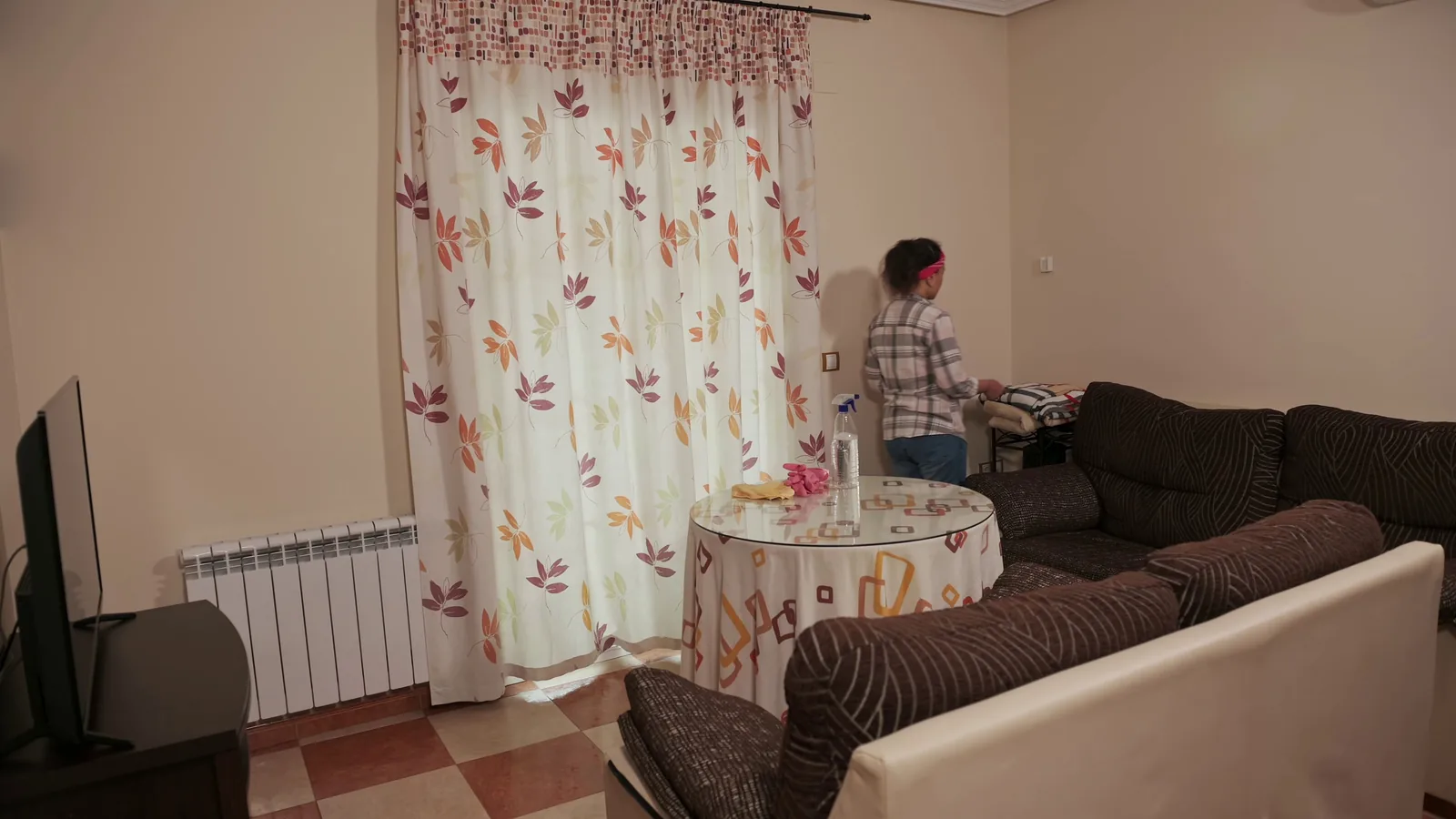
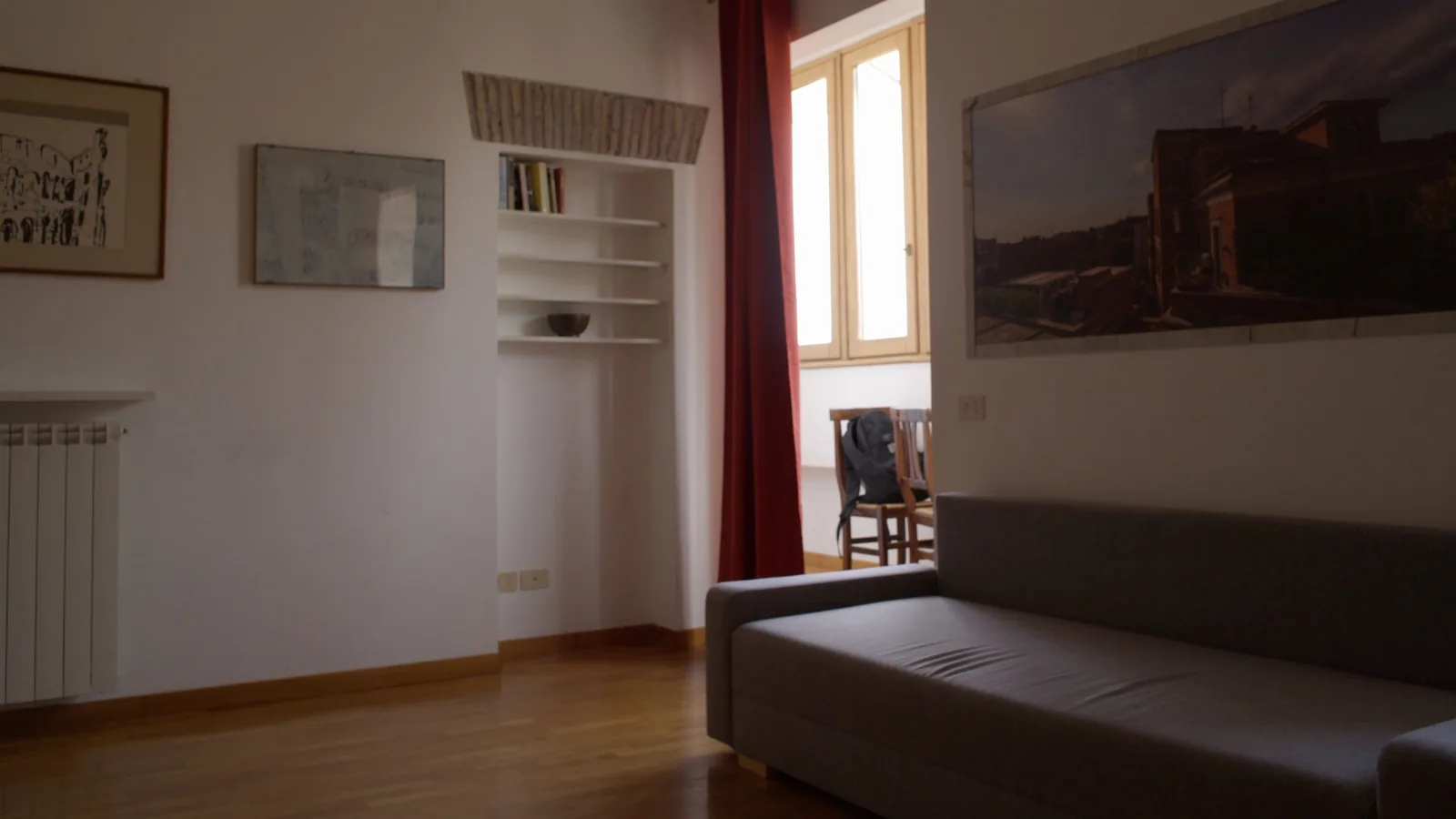
How To Create A Fold Away Home Office In A Small Flat
A practical step-by-step guide to how to create a fold away home office in a small flat, including preparation, instructions, common issues, tips, and next steps.
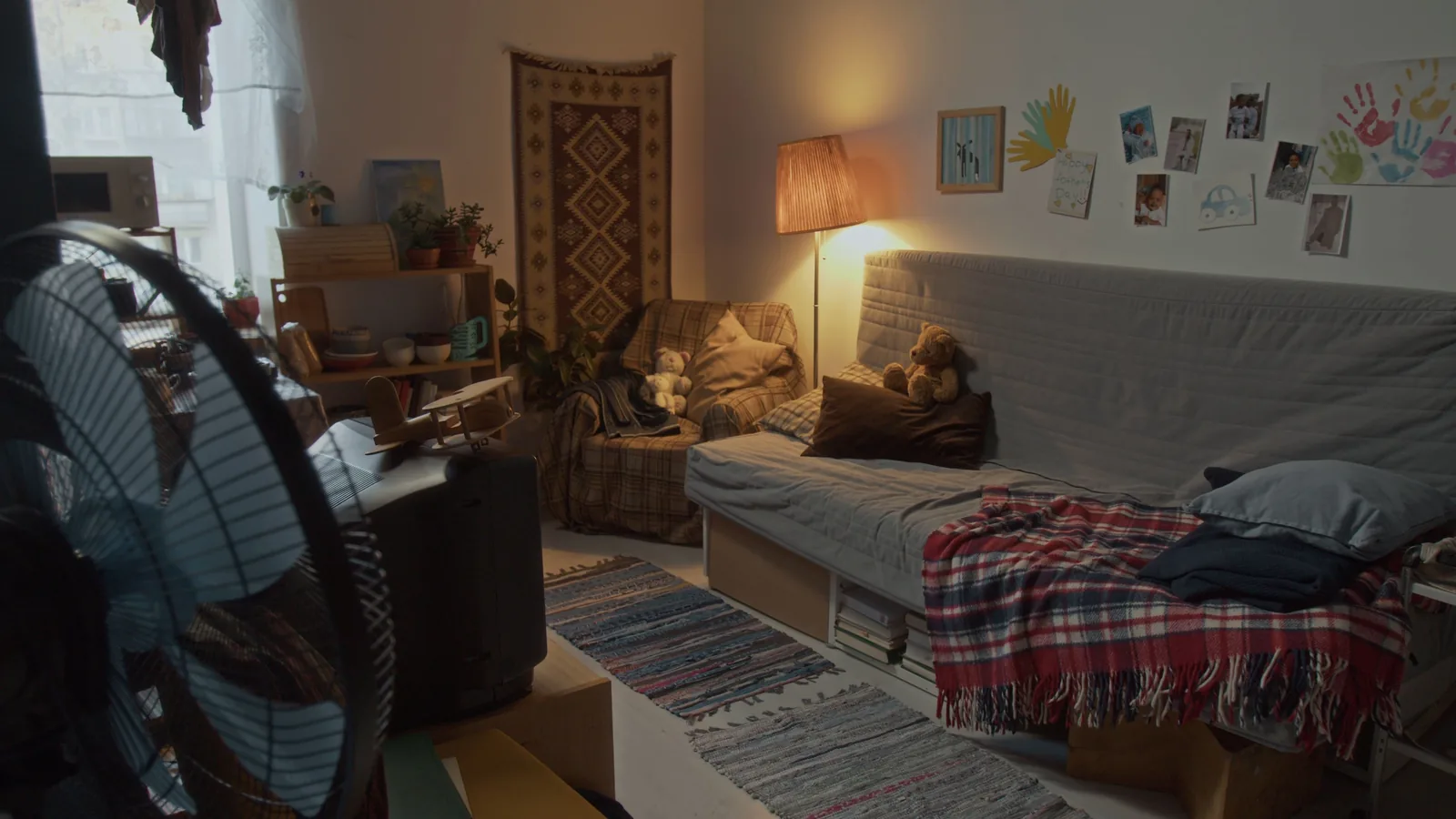
How To Create A Fold Away Home Office In A Small Flat
This guide shows you how to build a fold away home office in a small flat so your work zone disappears when the day ends. You will plan a spot, choose a folding surface, organize power and light, store supplies, and set a daily pack down routine. The result is a calm flat with a desk that tucks away in minutes, plus practical checks so cables, chairs, and clutter never take over your living space.
Fast Answer
- Measure a wall or alcove, pick a folding desk or wall mounted drop leaf surface, and keep a folding chair within reach so the whole office closes in under two minutes.
- Store your laptop, papers, and cables in one lidded box or drawer directly below the desk, then run a single power strip to that spot so setup stays quick and tidy.
Before You Start
- Measure the width, height, and depth of your chosen wall or alcove, then note door swings, radiator clearance, and walking paths so the folded desk never blocks movement.
- List every item you truly use for work each day, such as laptop, charger, notebook, pen, headset, and one paper tray, then remove anything you have not touched in a month.
- Find the nearest power socket and decide how one strip or extension will reach the desk area without crossing a walkway, because trailing cables are the main reason small offices feel messy.
- Choose a storage container that fits under or beside the desk, measure it, and confirm it can hold your listed items with the lid closed before you buy or repurpose anything.
Step-by-Step Instructions
Choose and clear the folding spot
Walk through your flat at the times you usually work and pick the spot with the least traffic. A short wall beside a window, the end of a hallway, or a shallow alcove often works better than the middle of a living room. Mark the floor with removable tape to show the desk footprint when open and the path people use when it is closed. Clear that area completely, including floor items, so you can see the true space. Check that a chair can pull out and that you can stand up without hitting anything. This matters because a folding office only succeeds when the open position feels comfortable and the closed position leaves your normal life intact.
Pick a surface that truly folds
Decide between a wall mounted drop leaf surface, a gate leg table, a folding table, or a shallow cabinet with a door that becomes a desk. Measure the open depth you need for your laptop and forearms, then measure the folded depth you can live with. Check how the support leg or bracket locks and whether one person can open it safely. If you mount anything, confirm the wall material and use the fittings recommended for that material. Place the folded unit so it does not stick into a doorway or sit behind a door that swings toward it. This matters because a surface that is awkward to open will stay open, and then your small flat loses the very space you are trying to protect.
Set up power and light neatly
Plan one power point for the whole office. Place a single strip near the back of the desk area, then route one cable along the wall or under the desk edge using clips or a channel. Keep the strip switched off when the office is closed. For light, use a lamp that can be moved or folded, or rely on a window and a small clip light that stores in your box. Check that no cable crosses a walkway, sits under a chair wheel, or becomes tight when the desk folds. Test the setup by opening and closing the desk while watching every cable. This matters because power and light are the two things people forget, and loose cables are what make a tidy folding desk feel temporary and unsafe.
Create a one box storage system
Gather everything you listed during preparation and place it in one lidded box, drawer, or basket that lives directly under or beside the desk. Give each item a fixed home: laptop in a sleeve, charger in a small pouch, pens in a cup or tray, papers in a single folder. Label the outside only if it helps you. Check that the lid closes without force and that the box slides out with one hand. Put a small tray on the desk for the few items you use constantly, and return them to the box at the end of each session. This matters because a folding office fails when supplies scatter across the flat, and one container makes the daily pack down fast enough that you will actually do it.
Choose a chair you can move
Select a chair that supports your back for the length of your working session but can be moved or folded when you finish. A folding chair with a cushion, a lightweight task chair, or a stool that tucks under the desk all work if you test them. Sit with your feet flat, your elbows near a right angle, and the screen at a comfortable height, using books or a stand if needed. Check that the chair fits the folded position too, either under the desk, in a cupboard, or against the wall without blocking anyone. Try a full work session before you decide. This matters because a chair that is painful will push you toward the sofa, and a chair that cannot be stored will quietly turn your fold away office back into a permanent one.
Build a two minute pack down ritual
Finish each work day with the same short sequence so the flat resets itself. Save and close your work, unplug or switch off the power strip, place the laptop and accessories in the box, close the lid, and push the box into its spot. Wipe the desk surface, fold it, and lock or latch it. Move the chair to its home and take any cup or plate to the kitchen. Time yourself for the first week and adjust the order until it takes about two minutes. Check the folded position from the doorway to confirm the room looks like living space again. This matters because the routine, not the furniture, is what keeps a small flat feeling open, and a ritual you repeat daily prevents slow clutter from rebuilding.
Quick Reference
| Situation | Action | Why it helps |
|---|---|---|
| You have very little floor space and no spare room. | Choose a wall mounted drop leaf surface or a shallow cabinet desk, mount it at seated elbow height, and keep a folding chair and one lidded box beside it so everything closes into the wall line. | Wall mounted and cabinet designs remove the need for table legs and a permanent footprint, which is what lets a very small flat keep its walking space and normal furniture layout. |
| Your cables and charger are always left out after work. | Run one power strip to a fixed point behind the desk, clip the cable along the wall or desk edge, and store the charger in the same lidded box every evening before you fold the surface. | A single fixed power point and one storage box remove the decision making from pack down, so cables return to their place instead of drifting onto the floor or staying plugged in. |
| You share the room with a partner or family and need quiet. | Schedule your working hours around the room's quiet times, use a headset stored in your box, and add a soft screen or shelf that blocks sightlines without blocking light, then fold the desk at the end of each session. | Shared rooms need boundaries that can appear and disappear, and a removable screen plus a fixed schedule protects both your focus and the other people's use of the space. |
Common Issues
- The desk stays open because folding it feels like too much work.: Reduce the ritual to four actions: save, unplug, box, fold. Time it, move the storage box within arm's reach, and practise for one week until it takes about two minutes. If it still feels heavy, remove one item from your daily kit or switch to a surface with a simpler latch so the closing action is quicker.
- Papers and small items spread across the flat.: Give every item one home inside the lidded box and keep a single folder for paper. At the end of each session, walk the room with the box and return stray items before you fold the desk. Add a small tray on the desk for current work only, and clear it into the box when you finish.
- The chair is uncomfortable or always in the way.: Test a chair for a full working session with your feet flat and elbows near a right angle, then raise the screen with books or a stand. If it cannot fold, mark one corner where it always returns. If it hurts, try a cushion, a different height, or a stool that slides fully under the folded desk.
Advanced Tips
- Add a shallow shelf above the desk for the few items you use daily, and keep the top edge clear so the wall still reads as living space when the desk is folded away.
- Use a colour or material rule for the whole corner, such as one wood tone and one fabric, so the folding desk looks like part of the room rather than office equipment parked in a flat.
- Plan a seasonal review each quarter: empty the box, remove anything unused, check hinges and fixings, and tighten screws so the folding mechanism stays smooth and safe.
Final Checklist
- Measure the open and folded positions and confirm the desk, chair, and box do not block doors, walkways, or radiators.
- Test every cable by folding and unfolding the desk, and make sure no cord pulls tight, crosses a path, or stays live when the office is closed.
- Place every daily item in one lidded box and confirm the lid closes, the box slides out easily, and the chair has a fixed home.
- Practise the two minute pack down for one week and check from the doorway that the room returns to normal living space each evening.
FAQ
How do I stop a folding desk from feeling temporary and unstable?
Mount or place it on a firm, level surface, use the fittings recommended for your wall or floor type, and keep the load light. Open and close it a few times while watching the hinges, locks, and support leg. Store heavy items elsewhere and test the folded position with your hands before trusting it with a laptop.
What should I keep on the desk versus in the storage box?
Keep only the items you touch every session, such as laptop, charger, pen, and notebook. Everything else, including spare paper, cables, and tools, belongs in the lidded box. If you have not used an item for a month, remove it from the kit so the daily pack down stays short.
How can I work in a shared room without taking it over?
Agree on working hours, use a headset and a soft screen that can be removed, and fold the desk at the end of each session. Keep your kit in one box so the shared space returns to normal, and check with the people you live with before you attach anything to a shared wall.