
A small bedroom with room to breathe
A calmer bedroom starts with the route around the bed, not with another storage purchase.
Plan around movement
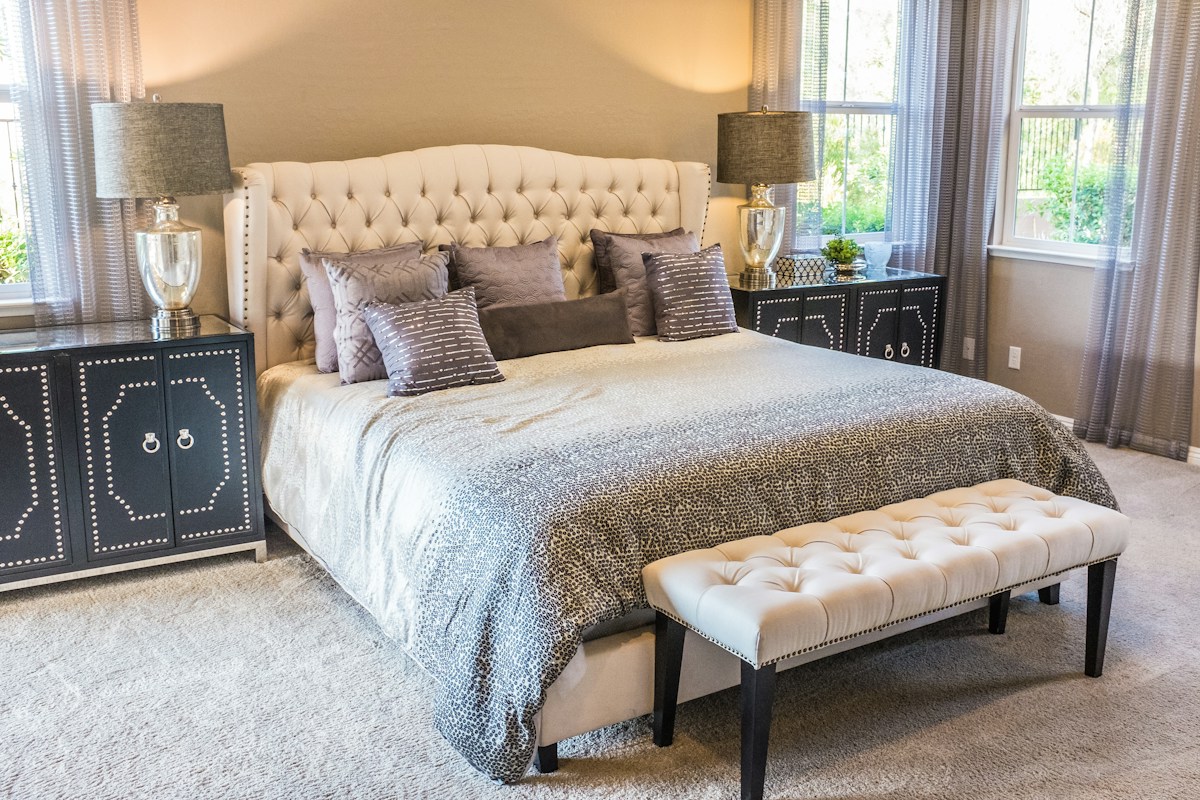
Measure the space with drawers open and the wardrobe in use. Two matching bedside tables are not compulsory if one obstructs a door. A narrow shelf on one side may be more practical, provided it is securely fitted and within easy reach.
Separate display from storage
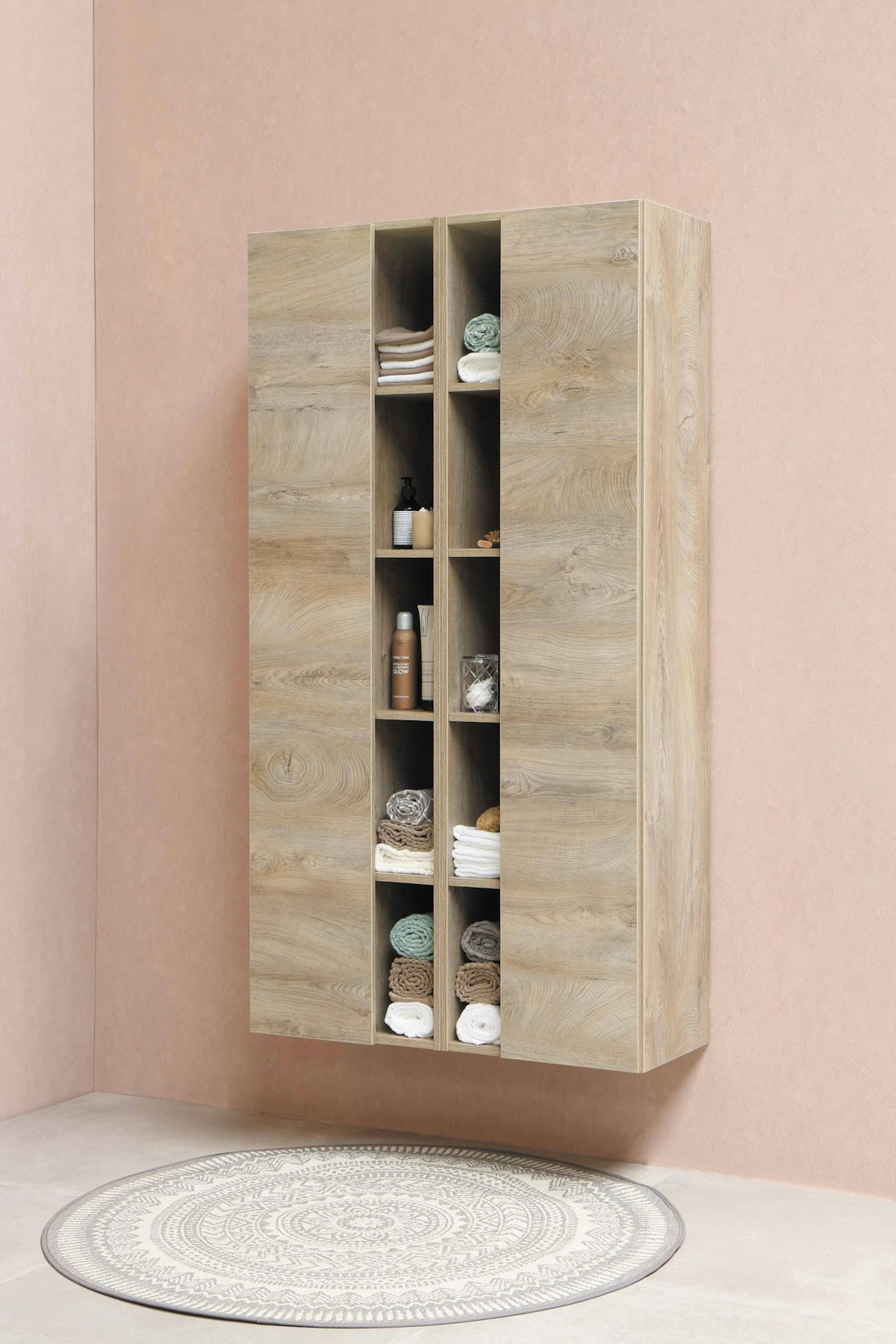
Open shelving looks light but makes everything visible. Reserve it for a few objects you enjoy and use closed storage for the rest. Under-bed boxes can help when they are easy to access; avoid packing them so tightly that cleaning becomes difficult.
Let window coverings do their job
Choose curtains or blinds around light control, privacy and ventilation as well as colour. Check that fabric does not cover a heater or block an opening window. Layering can be useful, but bulky curtains are not necessary in every small room.
Keep the bedside simple
A light, somewhere for water and a surface for a book may be enough. Charge devices away from bedding and follow device safety guidance. Leave the room arranged for rest rather than trying to fit every household activity into it.
A few things to take away
- Measure furniture in its open position.
- Keep windows and heat sources clear.
- Make stored items easy to retrieve.
General editorial guidance. Check product instructions and seek qualified advice for work affecting the safety or structure of your home. Read our disclaimer.