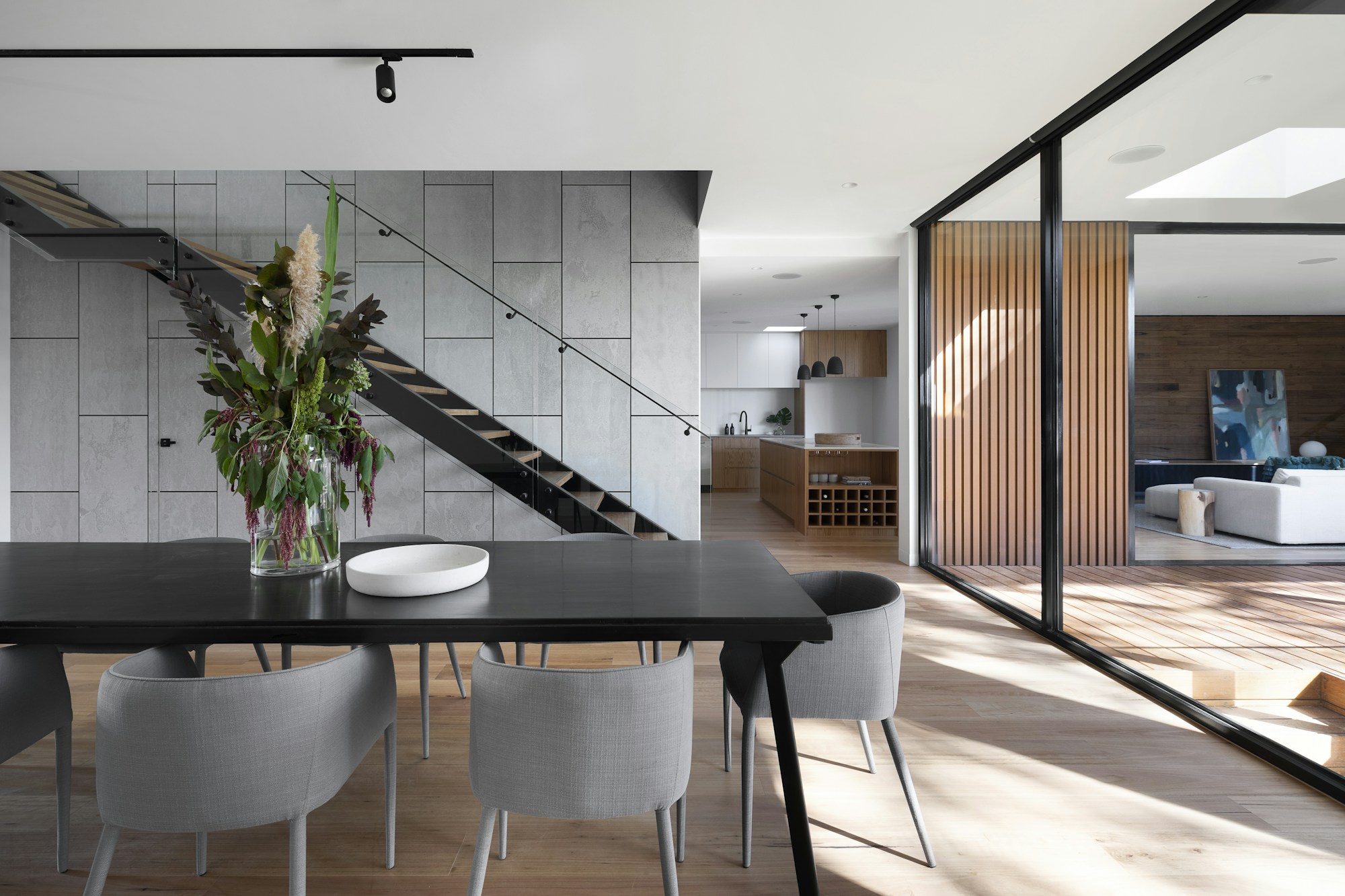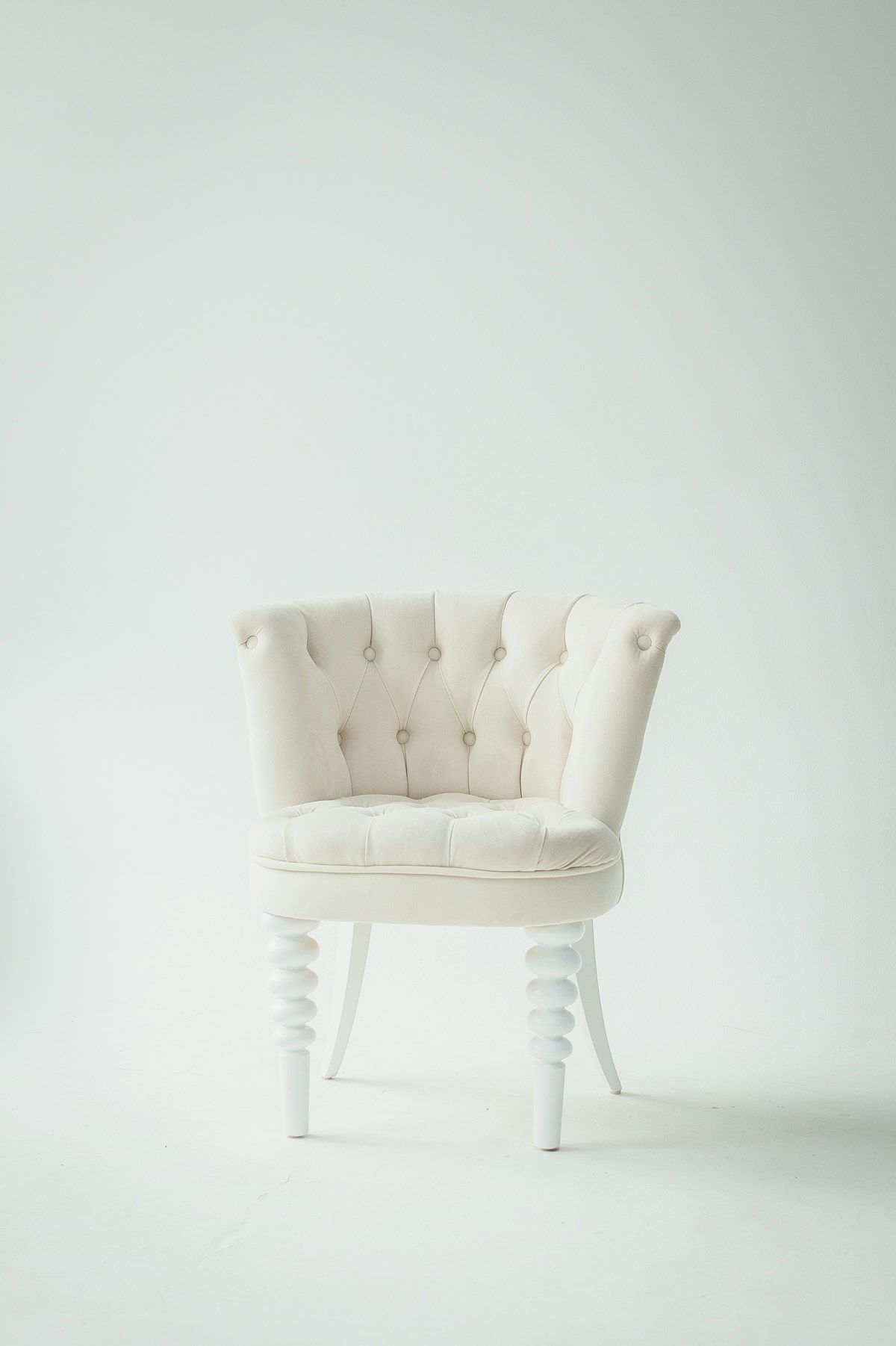

A living room that follows the light
Rather than starting with a shopping list, start with the way daylight moves through your room.
Look before you move anything
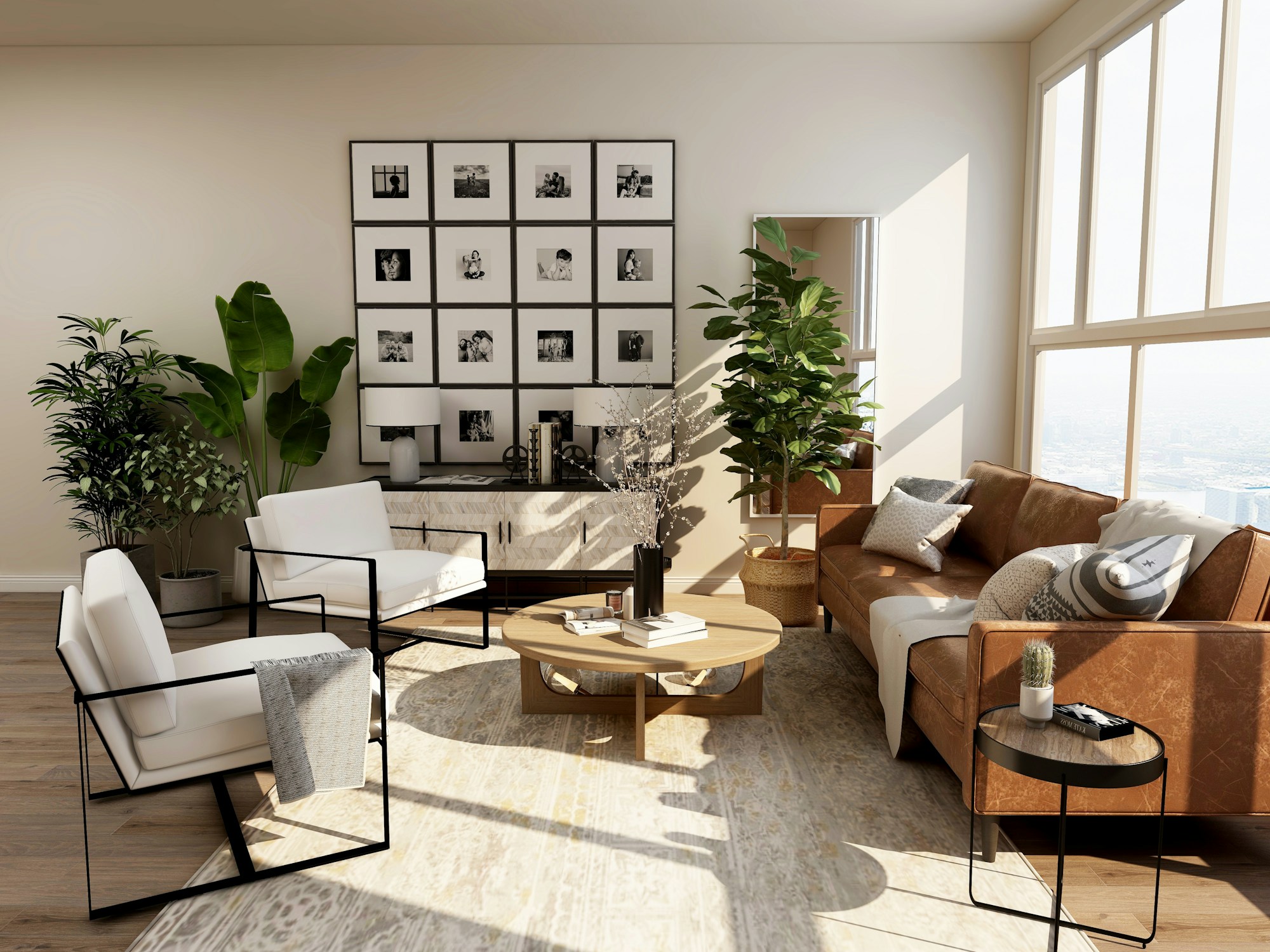
Spend a day noticing where light falls in the morning, at lunchtime and towards evening. A chair that feels inviting at breakfast may sit in glare later on. Photograph each view from the doorway; this makes it easier to see whether furniture blocks the brightest part of the room. The aim is not to make every corner equally bright, but to give each area a useful role.
Give the room more than one centre
The television need not determine every seat. Try turning a reading chair towards the window while keeping a sofa within conversational reach. Leave a clear route between doors before adding a coffee table. Mark the footprint with removable tape and walk around it carrying a tray. A layout that photographs well can still feel awkward in daily use.
Balance light with texture
A pale wall reflects daylight, but a room made entirely of smooth pale surfaces can feel flat. Introduce texture through a woven rug, a cotton throw or timber with a visible grain. Test samples beside existing flooring rather than choosing them on a screen. Warm and cool whites can behave very differently next to each other.
Keep the evening in mind
Once the daylight fades, two or three smaller lamps often feel more comfortable than one bright ceiling fitting. Put light near the activities that need it, keeping cables out of walking routes. Make one change at a time and live with the arrangement before buying anything else.
A few things to take away
- Observe the room at three times of day.
- Keep doorways and walking routes clear.
- Test colour samples beside the floor.
General editorial guidance. Check product instructions and seek qualified advice for work affecting the safety or structure of your home. Read our disclaimer.