How To Assess Second Hand Wooden Furniture Before Buying
A practical step-by-step guide to how to assess second hand wooden furniture before buying, including preparation, instructions, common issues, tips, and next steps.
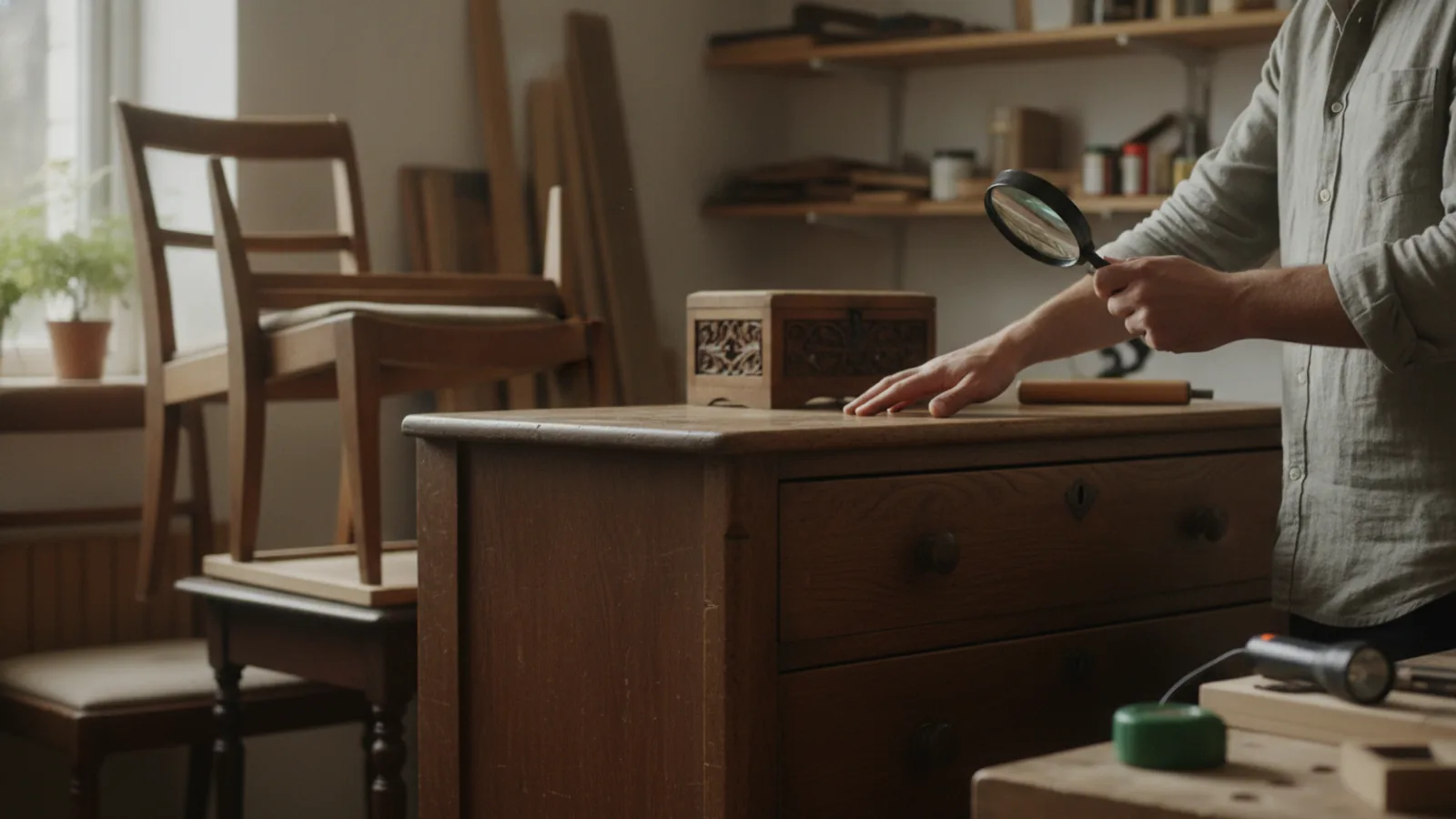
How To Assess Second Hand Wooden Furniture Before Buying
Assessing second hand wooden furniture before buying helps you avoid hidden damage, structural weakness, and costly repairs. This guide walks you through a calm, practical inspection routine, from checking joints and wood condition to testing stability and asking the right questions. You will learn what to look for, how to spot common problems, and when to walk away. Use these steps to make confident, informed decisions whether you are shopping at a market, a charity shop, or online.
Fast Answer
- Inspect joints, legs, and any moving parts for wobble, cracks, or loose fittings before you commit to buying.
- Ask about the furniture's history, previous repairs, and storage conditions to uncover issues that are not visible.
Before You Start
- Bring a small flashlight, a tape measure, and a soft cloth to inspect dark corners and check dimensions for your space.
- Wear comfortable clothes that let you kneel, reach under, and gently rock the piece without worrying about getting dirty.
- Decide your maximum budget and must-have features in advance so you can judge condition without being swayed by a low price.
- If buying online, request extra photos of joints, corners, and any damage before traveling to see the item in person.
Step-by-Step Instructions
Check the overall structure and stability
Start by standing back and looking at the piece as a whole. Does it sit level on the floor, or does it wobble when you press gently on opposite corners? Place your hands on top and apply light pressure from side to side to feel for any movement. Then kneel down and look at the legs and base. Are all feet making contact with the ground? If one leg is shorter or a foot is missing, the frame may be twisted or warped. This matters because a piece that does not sit flat can strain joints over time and may be unsafe to use. Also, check that drawers, doors, and leaves open and close smoothly without sticking or scraping. A structurally sound piece will feel solid and quiet when you gently rock it.
Inspect all joints and connections carefully
Joints are the most common failure point in wooden furniture, so examine every place where two pieces of wood meet. Look at the corners of tables, the rails under chairs, and the frames around drawers. Use a flashlight to see into dark gaps. You are looking for gaps, cracks, or loose fit. Gently try to twist or pull the joint apart with your hands; it should not move. If you see screws or nails that have been added later, that may indicate a previous repair. Check that dowels, mortise-and-tenon joints, or dovetails are tight. This check matters because loose joints can be expensive to fix and often signal that the piece has been dropped or stored in damp conditions. A well-made joint should be nearly invisible and solid.
Examine the wood surface and finish
Now run your hand over the entire surface of the wood. You are feeling for cracks, splinters, dents, and raised grain. Look closely at the finish: is it flaking, peeling, or sticky? These can be signs of water damage or a poor refinishing job. Check for dark stains or white rings that might indicate heat or moisture exposure. Use your flashlight at a low angle to reveal dents and scratches that are hard to see in normal light. Also, look for any signs of wood filler, which often appears as a slightly different color or texture. This check matters because surface damage can be cosmetic, but it can also allow moisture into the wood and lead to rot. A sound finish protects the wood and tells you how well the piece was cared for.
Look for signs of pests and moisture
Woodworm, termites, and other pests can turn a beautiful piece into a pile of dust. Look for small round holes in the wood, often about the size of a pencil lead. Also, check for fine powdery dust beneath the holes, which is called frass. Tap the wood in several places; if it sounds hollow or crumbly, there may be internal damage. Moisture is another enemy. Check for water stains, a musty smell, or soft spots that give way when pressed. Pay special attention to the bottom of legs and the back of the piece, where dampness often starts. This check matters because pest infestations can spread to other furniture in your home, and moisture damage weakens the wood from the inside. If you find active pests, avoid the piece unless you are prepared to treat it professionally.
Test all moving parts and hardware
If the furniture has drawers, doors, or extendable leaves, operate them several times. Pull drawers all the way out and push them back in. They should slide smoothly without wobbling or binding. Check that the drawer bottoms are not sagging and that the sides are securely attached. For doors, open and close them to see if they hang straight and latch properly. Look at the hinges and screws; are they tight and free of rust? If there are locks or handles, make sure they work. This check matters because hardware problems can be simple fixes, but they can also indicate deeper structural issues, like a twisted frame. Replacing hardware is often easy, but repairing a warped cabinet or a broken drawer runner can be difficult and expensive.
Ask about history and previous repairs
Before you decide, talk to the seller. Ask where the furniture came from, how long they have owned it, and whether it has been repaired or refinished. Specific questions like 'Has it ever been in a damp basement?' or 'Have you noticed any woodworm?' can reveal hidden problems. If the seller is vague or avoids your questions, be cautious. Also, ask if the piece has been stored in a garage, attic, or shed, as extreme temperatures can cause warping and cracking. This step matters because a piece with a known history of repairs may still be sturdy, but you need to know what you are getting. Honest sellers will usually share details, and their answers can help you decide whether the piece is worth your time and effort.
Quick Reference
| Situation | Action | Why it helps |
|---|---|---|
| You are considering a wooden chair that looks good but feels slightly wobbly. | Place the chair on a flat floor, sit on it gently, and rock side to side. Then turn it upside down and check all joints and leg attachments for gaps or loose screws. | A wobbly chair often has loose joints that can fail suddenly; fixing them may require clamping and regluing, which is time-consuming and sometimes costly. |
| You find a beautiful table with a dark stain on the top and a musty smell. | Sniff the wood closely, press the stain with a dry cloth to see if it is damp, and look underneath for water rings or soft spots. If the smell persists, walk away. | Musty odors and soft spots indicate moisture damage that can lead to rot and mold; such damage often spreads and is difficult to repair without replacing large sections. |
| You are buying a dresser online and the seller only shows photos of the front. | Message the seller and request clear photos of the back, drawer interiors, and underside. Ask specifically about any repairs, water damage, or pest history before you agree to meet. | Hidden damage on the back and bottom is common and can be expensive to fix; sellers who refuse to provide detailed photos may be hiding serious problems. |
Common Issues
- Loose or broken joints that cause the piece to wobble.: If the joint is not cracked, you can often tighten it by applying wood glue and clamping it overnight. For metal fasteners, tighten screws; if they spin, fill the hole with a wooden matchstick and glue, then reinsert the screw. If the wood itself is split, a professional repair may be needed.
- Surface scratches and small dents that affect appearance.: Light scratches can be hidden with a matching wood filler or a wax stick. For deeper dents, you can sometimes raise the grain by placing a damp cloth over the dent and applying heat from an iron. Always test on a hidden area first, and remember that refinishing a large area may require professional help.
- Drawers that stick or slide poorly.: First, remove the drawer and clean the runners with a damp cloth. Then rub a little candle wax or soap along the wooden slides to reduce friction. If the drawer is warped, you may need to sand the edges lightly. Check that the drawer bottom is not sagging; if it is, reinforce it with small nails or glue blocks.
Advanced Tips
- Use a magnet to check for hidden metal repairs or nails; a magnet will stick to them, revealing previous fixes that may not be visible.
- Shine a strong light at a low angle across the surface to reveal dents, scratches, and uneven finish that are invisible under normal lighting.
- Smell the piece in several places, especially inside drawers and on the underside; a sharp, chemical odor may indicate recent refinishing with harsh products that could off-gas.
Final Checklist
- Does the piece sit level on the floor without wobbling when you press on opposite corners?
- Are all joints tight and free of gaps, cracks, or loose screws that you can see or feel?
- Have you checked for woodworm holes, powdery frass, musty smells, and soft spots from moisture?
- Do all drawers, doors, and moving parts operate smoothly without sticking or binding?
FAQ
How can I tell if woodworm is active or old?
Look for fine, fresh dust (frass) beneath the holes. If you see dust, the infestation may be active. Also, tap the wood; a hollow sound can mean internal damage. Old holes with no dust are usually inactive, but it is still wise to treat the piece or consult a professional before bringing it into your home.
What should I do if I find a crack in a leg?
A small crack may be stable, but a crack that goes with the grain and opens when you apply pressure is a weakness. You can repair it with wood glue and a clamp, but if the crack is large or the leg feels loose, the piece may not be safe to use. Consider the cost of repair before buying.
Is it worth buying furniture that needs refinishing?
It depends on your skills and the piece's quality. Refinishing can be time-consuming and may require chemicals or sanding that release dust. If the wood is solid and the structure is sound, refinishing can restore beauty. But if the piece is made of thin veneer, sanding may damage it. Weigh the effort against the joy of the finished piece.