
A quieter approach to evening light
Separate useful light from atmosphere, and give each part of the room what it needs.
Work from the activity outwards
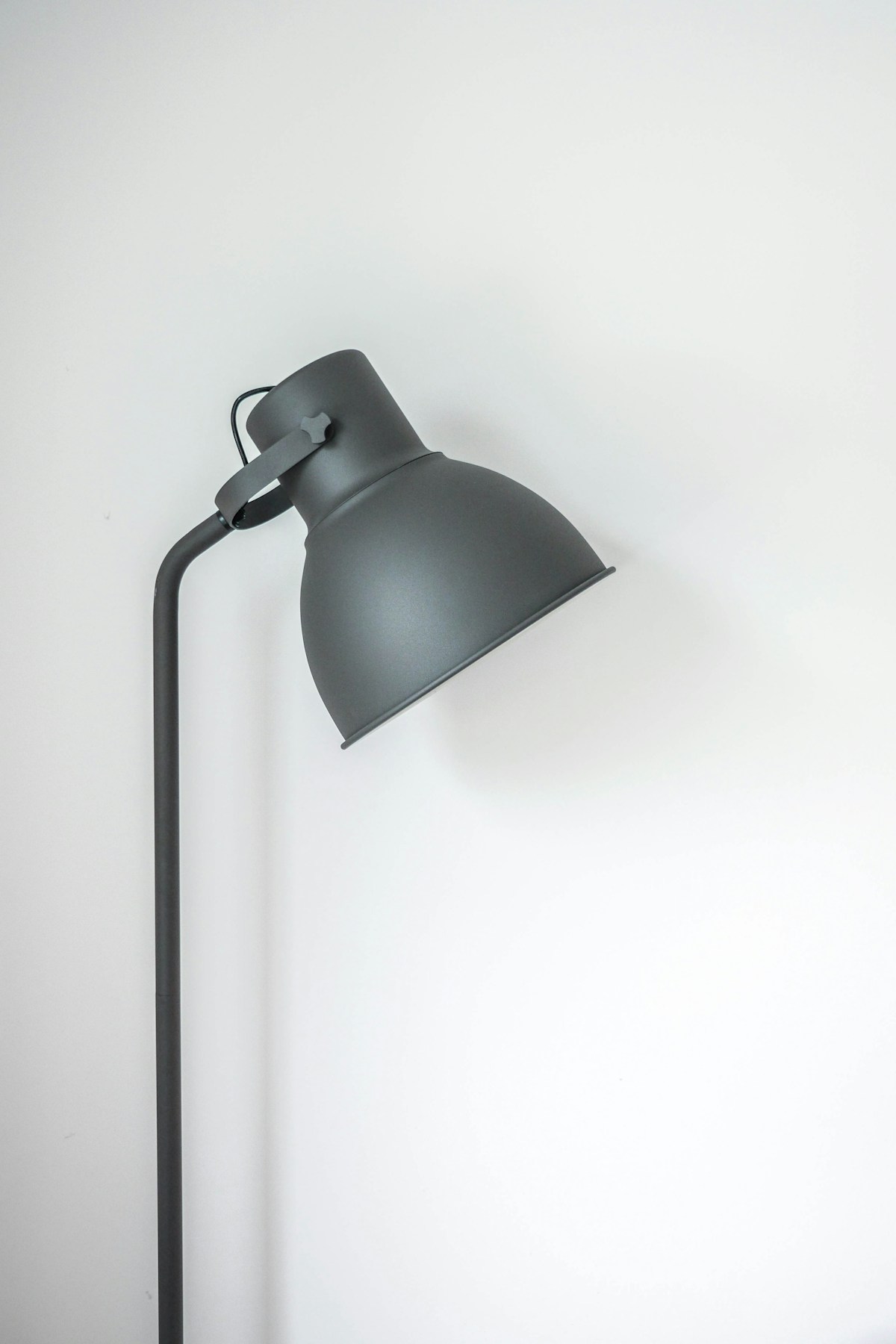
A reading lamp should put light onto the page without shining into your eyes. A dining pendant has a different job. Before choosing fixtures, list what happens in the room after dark. One ceiling light rarely serves every activity equally well.
Compare bulbs carefully
Look at lumens for light output rather than relying only on wattage. Colour temperature describes the appearance of the light, not its brightness. Try one bulb before replacing a whole room, since shades and wall colours affect how the result looks. Check the fitting limits and manufacturer instructions.
Think about controls
A lamp that is awkward to switch on will not get used. Locate switches within reach and avoid cable runs across walkways. Dimmers must be compatible with the fitting and bulb. Fixed electrical work belongs with a qualified professional familiar with local requirements.
Edit before adding
Turn off the main light and notice which corners actually need help. A small pool of light beside a chair may be enough. Keep bright task lighting available for cleaning or detailed work, while allowing the evening setting to be gentler.
A few things to take away
- Choose light output for the task.
- Check bulb and dimmer compatibility.
- Keep switches easy to reach.
General editorial guidance. Check product instructions and seek qualified advice for work affecting the safety or structure of your home. Read our disclaimer.