How To Choose A Washable Table Protector For A Wooden Table
A practical step-by-step guide to how to choose a washable table protector for a wooden table, including preparation, instructions, common issues, tips, and next steps.

How To Choose A Washable Table Protector For A Wooden Table
Choosing a washable table protector for a wooden table means balancing protection, grip, heat resistance, and easy cleaning so the wood stays beautiful and the surface stays practical. This guide walks you through measuring the table, comparing material types, checking underside safety, testing fit and edges, and setting a simple cleaning routine that keeps the protector fresh without harming the finish.
Fast Answer
- Measure the table first, then choose a protector that covers the full top and overhangs slightly so spills do not run onto bare wood.
- Pick a washable material that resists heat and water, grips without sliding, and has no rough backing that could scratch the finish.
Before You Start
- Clear the table completely, then wipe the bare wood with a soft dry cloth so dust and crumbs do not get trapped under the new protector.
- Measure the table length and width at its widest points, and note any leaves, rounded corners, or uneven edges that change the shape.
- Check the table finish and any care instructions you have, because some finishes are sensitive to heat, moisture, or certain backing materials.
- Decide your main daily risks, such as hot dishes, spilled drinks, craft glue, or heavy scratching, so you can match the material to real use.
Step-by-Step Instructions
Measure the table and decide the coverage shape
Start by measuring the full length and width of your wooden table at its widest points, including any leaves or extensions that you use often. Write the numbers down and compare them with the protector sizes you are considering. You want the protector to cover the entire working surface, with a small overhang on each side so a spill does not immediately run onto bare wood. If your table has rounded corners or an unusual shape, trace the outline on paper and use that as your guide. A practical check is to lay a sheet of newspaper on the table, trim it to the coverage you want, and see how it looks in normal use. This matters because a protector that is too small leaves exposed edges where water and heat do the most damage.
Compare washable materials and their trade-offs
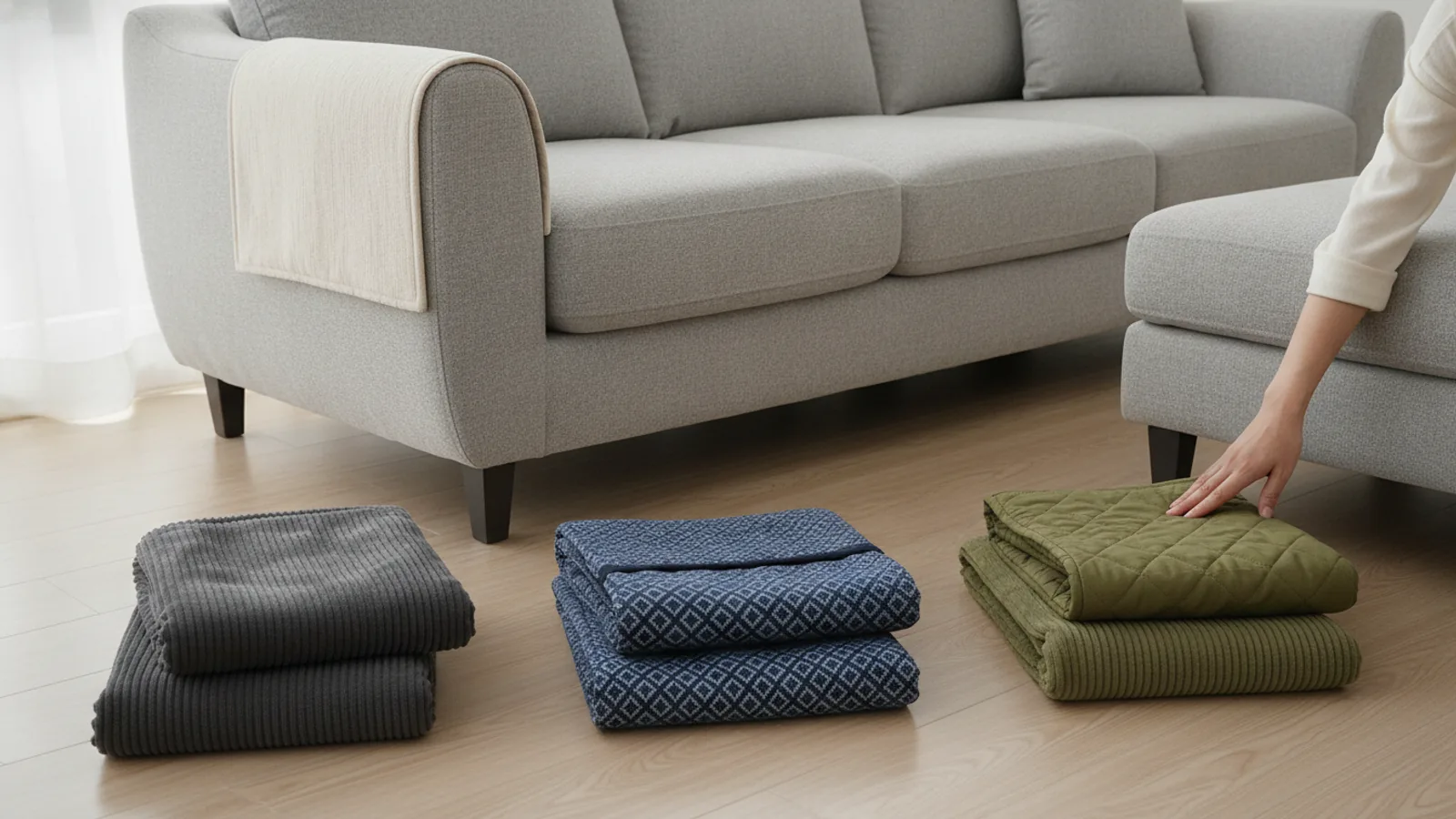
Washable table protectors come in several broad material families, and each behaves differently on wood. Woven fabric with a waterproof backing feels soft and quiet, but the backing must be checked for roughness. Smooth vinyl or coated cloth wipes clean quickly and handles everyday spills, yet some thin versions trap heat. Quilted padded covers add cushioning for crafts and hot dishes, but they can be bulky and slower to dry. Silicone mats are easy to rinse and resist heat well, though they may show water spots if left wet. Hold a sample or read the care description and ask three questions: can it go in a washing machine, what water temperature is safe, and can it be dried without heat. The practical check is to confirm the washing instructions before you commit, because a protector you cannot clean easily will not stay in service for long.
Check the underside for wood-safe grip
Turn the protector over and examine the side that will touch your wooden table. This is the surface that can scratch, stick, or trap moisture, so it deserves close attention. Look for a soft, smooth backing, or a textured grip that is designed to hold without adhesive. Avoid rough seams, exposed stitching, or gritty dots that could rub against the finish when plates and elbows move across the top. If you can, place the protector on the table and press down while sliding a book across it to feel for drag or grit. A sensible check is to lift the protector after a day and look for condensation or dull patches on the wood. That check matters because trapped moisture and hidden abrasion are the two quiet ways a protector can damage a finish even when the top looks fine.
Test the fit, edges, and stability in real use
Once you have a candidate protector, put it on the table and live with it for a normal meal before committing. Set plates, glasses, and serving dishes in their usual spots and watch whether the edges curl, lift, or slide when you reach across. The protector should lie flat without waves that catch glassware, and the overhang should be even on all sides. Ask family members to sit, stand, and move chairs to see whether knees or chair backs catch the edge. A practical check is the push test: press a palm on the surface and push gently sideways to see if the whole protector shifts. This matters because a protector that slides or curls is more likely to spill drinks and more likely to be folded away and forgotten. If it moves, look for a heavier weight, a better grip backing, or a slightly different size.
Match heat and water protection to your habits
Think honestly about what lands on your table each week. If you serve casseroles straight from the oven, you need a protector that handles warmth and a separate trivet for the hottest pans. If children do homework and crafts, you need a surface that resists ink, glue, and repeated wiping. If drinks sweat in summer, you need a waterproof layer that does not let moisture reach the wood. Read the care description and look for clear temperature guidance, then test with a warm, not hot, mug to see how the surface reacts. A useful check is to place a warm mug on the protector for a few minutes, lift it, and feel both the protector and the wood beneath. That check matters because heat damage often appears slowly, as a faint ring or dull patch, long before anyone notices the cause.
Set a cleaning and storage routine that protects the wood
A washable protector only helps if you clean and store it correctly. Shake off crumbs after each meal, then wipe the surface with a damp cloth and a mild soap when needed. Follow the maker's washing instructions, use the gentlest cycle that cleans effectively, and avoid harsh bleach or abrasive pads that break down the coating. Dry the protector fully before putting it back on the wood, because a damp backing can trap moisture against the finish. When you are not using it, roll or fold it loosely and store it flat, away from sharp edges that could crease the material. A practical check is to lift the protector once a week and wipe the bare wood with a dry cloth. That check matters because it catches moisture, crumbs, or grit early, before they leave marks or dull the surface.
Quick Reference
| Situation | Action | Why it helps |
|---|---|---|
| You are buying a protector for a table you have not measured yet | Measure the length and width at the widest points, write the numbers down, and compare them with the listed protector sizes before ordering anything. | A protector that is too small leaves bare edges exposed to spills, while one that is far too large may bunch and slide when people reach across the table. |
| The protector slides or curls during normal meals | Check the underside for a soft grip backing, test the fit again, and consider a heavier weight or a different size that lies flat without waves. | A moving protector causes spills, catches sleeves, and gets folded away, which means the wood ends up unprotected during the exact moments when protection matters most. |
| You often place warm serving dishes on the table | Use a separate trivet for hot items and test the protector with a warm mug first, then lift it to check the wood beneath for heat or moisture. | Heat can pass through many materials slowly and mark the finish as a faint ring, so a quick test and a trivet protect the wood without relying on guesswork. |
Common Issues
- The protector traps moisture and the wood looks dull or cloudy underneath: Lift the protector after use, wipe the bare wood with a dry soft cloth, and let both the wood and the protector dry fully before putting it back. If the problem continues, add a breathable felt or cotton layer between the wood and the protector, or choose a material with a smoother, less sealing backing.
- Crumbs and grit collect under the protector and scratch the finish: Shake the protector outside after meals, wipe the bare table weekly with a dry cloth, and check the underside for rough seams or gritty dots. If the backing feels rough, replace it or place a soft cloth layer beneath so the wood is not rubbed by trapped particles.
- The protector has a strong plastic smell when new or after washing: Air the protector in a well-ventilated room until the smell fades, wash it with mild soap and cool water, and avoid hot drying that can set odors into the coating. If the smell remains after two gentle washes, the material may not suit an indoor dining area and should be replaced.
Advanced Tips
- Keep a labeled note of the table dimensions and the protector's wash instructions inside a kitchen drawer so replacements are easy and consistent.
- For tables with leaves, choose one protector for the closed size and a second for the open size instead of forcing a single piece to cover both.
- Rotate the protector from end to end each month so wear, heat exposure, and sunlight fade are spread evenly across the surface.
Final Checklist
- The protector covers the entire tabletop with a small, even overhang on every side.
- The underside feels smooth or gently grippy, with no rough seams or gritty dots that could scratch the finish.
- You have confirmed washing and drying instructions and know how to clean it safely.
- You have a separate trivet for very hot dishes and a plan to lift the protector weekly to check the wood.
FAQ
Can I leave a washable table protector on all the time?
You can leave many protectors in place for daily use, but it is wise to lift them regularly and wipe the bare wood with a dry soft cloth. This gives the finish a chance to breathe and lets you spot trapped moisture, crumbs, or grit early. If you notice condensation or a dull patch, remove the protector for a few hours and let both surfaces dry completely before putting it back.
How do I know if a protector is safe for my wooden table finish?
Check the care guidance that came with your table and the protector's own instructions, then test on a small, less visible area if you can. Look for a soft underside that will not abrade the finish, and avoid anything that traps moisture against the wood. If your table has a delicate or oiled finish, place a breathable felt or cotton layer between the wood and the protector for extra safety.
What should I do if the protector does not lie flat?
Let the protector rest flat at room temperature for a day, since many materials relax after shipping or storage. If waves or curls remain, check the size against your table and consider a heavier weight or a shape that follows the table edge. Rolling rather than folding between uses also helps prevent permanent creases that keep the surface from lying flat.