How To Choose Removable Sofa Arm Covers For Daily Use
A practical step-by-step guide to how to choose removable sofa arm covers for daily use, including preparation, instructions, common issues, tips, and next steps.
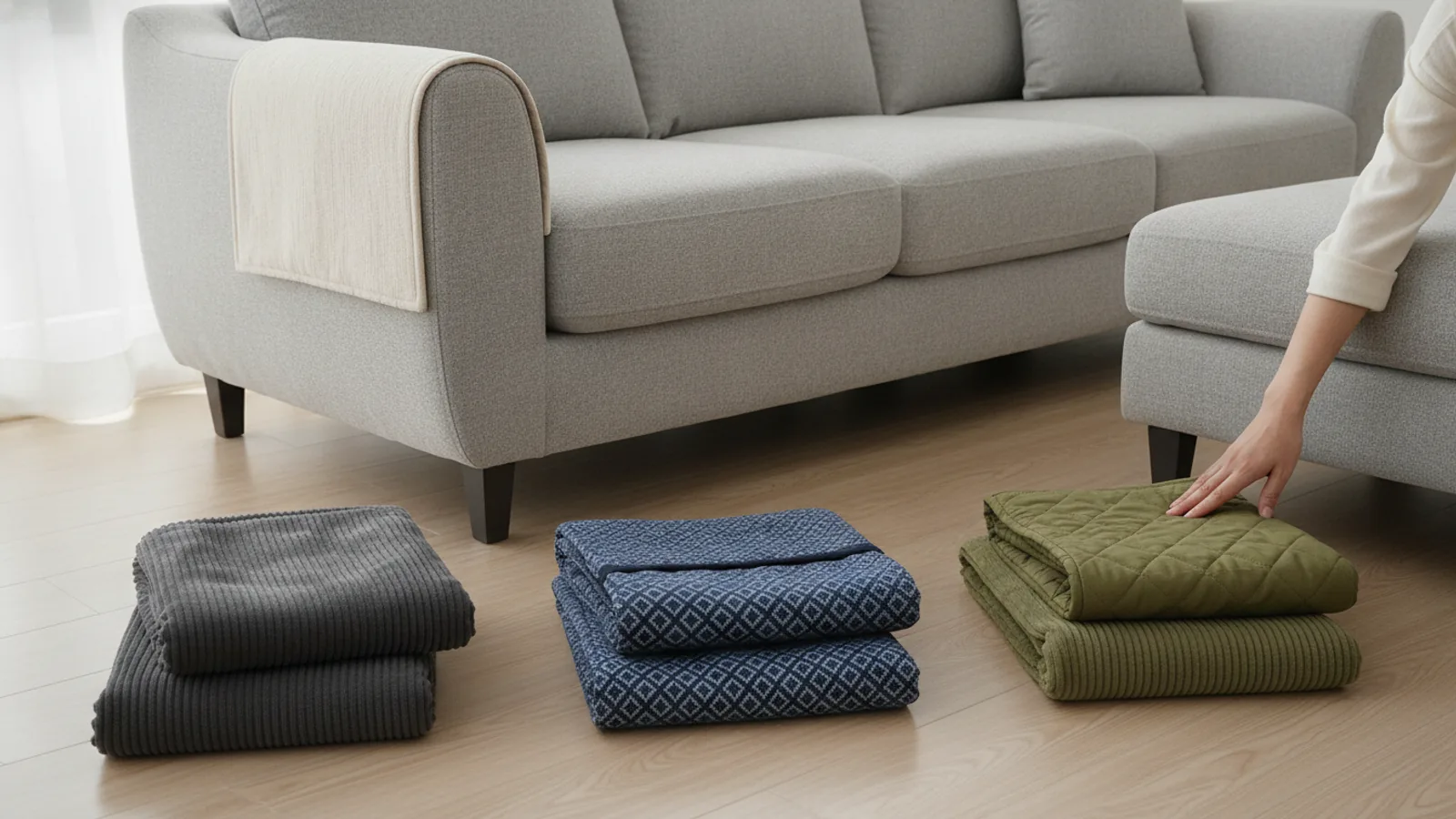
How To Choose Removable Sofa Arm Covers For Daily Use
Removable sofa arm covers protect the fabric where hands, pets, and spills land most often, and they let you refresh the look of a couch without replacing it. Choosing well for daily use means matching the cover to your arm shape, your cleaning habits, and the amount of friction the cover will face each day.
Fast Answer
- Measure the arm at its widest point and at the front curve, then compare those numbers with the cover size chart before ordering.
- Pick a fabric you can wash at home, then confirm the fastening method can survive weekly removal without loosening.
Before You Start
- Measure each sofa arm from the top seam down to the lowest point you want covered, and write the number down.
- Measure the arm width at the front, the middle, and the back, because tapered arms need the largest measurement.
- Check the arm style, such as rolled, square, track, or flared, so the cover shape can match the curve.
- Read the care label and fastening details on the product page before you buy, and note the washing instructions.
Step-by-Step Instructions
Measure the arm shape and size
Start by measuring the arm you want to cover, because a cover that is slightly too small will pull loose at the front and a cover that is too large will bunch under elbows. Use a soft tape measure and record three numbers for each arm. Measure the width across the front face of the arm, the width across the middle, and the width near the back where the arm meets the sofa frame. Then measure the drop from the top of the arm to the lowest point you want the cover to reach. If the arm is rolled, also measure the curve from the front edge to the side. Write these numbers on paper and keep them with you while shopping. This check matters because arm shapes vary, and a cover sized for a square arm often slips on a rolled arm. Compare your largest width and longest drop with the cover size chart rather than guessing from a photo.
Match the cover shape to the arm style
After you have your measurements, look at the shape of the arm itself. Square or track arms have flat sides and a straight front edge, so they usually suit covers with straight seams and a simple wrap. Rolled arms curve outward and need a cover with a rounded or stretchy front panel, or the fabric will bridge across the gap and look loose. Flared arms angle outward from the seat and often work best with a cover that has an adjustable tie or a long side flap. Tapered arms are wider at the front than at the back, so choose a cover that can cinch or gather along the length. Hold a tape measure against the arm and compare the front and back widths to see the taper. This check matters because shape mismatch, not size alone, causes most covers to slide, wrinkle, or expose the original fabric at the corners.
Choose a fabric for daily friction
Daily use means hands, sleeves, pet fur, and food crumbs rubbing the same spot many times a day. Pick a fabric that can handle that friction without pilling or thinning quickly. Tightly woven cotton blends and textured polyester blends resist snagging better than loose knits and smooth satin. If you have pets, look for a fabric with a dense surface that does not trap hair deeply, and check whether the label describes it as easy to brush clean. If you eat or drink on the sofa, a fabric with a stain-resistant finish or a removable, washable layer can reduce stress. Feel the fabric weight if you can, or read the description for a mid-weight material, because very thin covers show every crease and very heavy covers can be stiff at the front curve. This check matters because the fabric decides how often you must wash, adjust, and eventually replace the cover.
Check the fastening and fit system
The fastening system holds the cover in place when someone leans on the arm or pushes off the sofa. Common systems include elastic bands, hook-and-loop strips, ties, and fitted pockets. Elastic is quick to remove and wash but can stretch out over time. Hook-and-loop holds firmly but can catch on loose clothing and may wear out after many cycles. Ties look tidy and adjust well on tapered arms but need retying after washing. Fitted pockets give a clean look but demand an accurate arm measurement. Look at where the fasteners sit, because a strap that crosses the seat cushion can pull loose when people sit down. Check whether the cover has a non-slip backing or an anchor strap that runs under the arm. This check matters because a good fabric with a weak fastening system will still slide off daily, which defeats the purpose of a removable cover.
Plan for washing and drying
A removable cover only helps if you can actually clean it at home on a realistic schedule. Read the care instructions and decide whether the washing method fits your routine. Machine washable covers are easier for daily use, especially in homes with children or pets. Check the water temperature, the cycle type, and whether the cover should be air dried or can go in a dryer. Covers with elastic or hook-and-loop fasteners may need a gentle cycle and a laundry bag to protect the hardware. If the fabric is spot clean only, think about whether you are willing to treat stains by hand each time. Also check the drying guidance, because heat can shrink a cover and make it fit poorly after the first wash. This check matters because a cover that becomes too small or misshapen after cleaning will not stay on the arm, and you will end up replacing it sooner than expected.
Confirm fit on the sofa and adjust
Once the cover arrives, fit it before you decide to keep it. Slide the cover over the arm from the front, then work it back toward the sofa frame. Smooth the fabric from the top down so the seams sit where the arm bends, not across the flat side. Fasten the straps, ties, or hook-and-loop strips, then press on the front and top of the arm with your hand to test for movement. Sit on the sofa and lean on the arm the way you normally would, then look for gaps, folds, or exposed fabric. If the cover bunches, adjust the fastening tension or tuck the extra fabric under the arm. If it slides, add a non-slip pad or return it for a better shape. This check matters because fit under real body weight is the only reliable test, and a cover that passes it will stay neat through daily use.
Quick Reference
| Situation | Action | Why it helps |
|---|---|---|
| Your sofa arm is wider at the front than at the back. | Choose a cover with adjustable ties or a cinching strap, and set the tightest point near the back of the arm so the fabric gathers evenly. | A tapered arm needs a cover that can change width along its length, or the fabric will hang loose near the narrow end and slide forward. |
| You have pets that rub against the arm every day. | Select a tightly woven, mid-weight fabric with a smooth surface, and brush the cover with a rubber glove or soft brush before washing. | Dense fabric resists snags and releases loose hair more easily than a loose knit, which keeps the cover looking tidy between washes. |
| The cover keeps slipping off when people lean on the arm. | Add a non-slip pad under the cover or tighten the anchor strap, then press the fasteners firmly into place before use. | Most slipping comes from a weak or misplaced fastening point, and a small adjustment to the anchor system usually solves it without a new purchase. |
Common Issues
- The cover looks loose and wrinkled after fitting.: Remove the cover, smooth it from the top of the arm downward, and refasten the straps more tightly. If wrinkles remain, check whether the cover size is larger than your arm measurement and consider exchanging it for a closer size.
- The fabric pills or sheds fibers within the first few weeks.: Check the care label for the recommended wash cycle and turn the cover inside out before washing. If pilling continues, the fabric weave is likely too loose for daily friction, so look for a tighter woven material for the next cover.
- The cover shrinks after the first wash and no longer fits.: Review the drying instructions and avoid high heat, which is the usual cause of shrinkage. If the cover is already too small, try stretching it gently while damp, then air dry it flat and refit it on the arm.
Advanced Tips
- Keep a spare set of arm covers in a neutral color so you can rotate them on washing day and always have a clean cover ready.
- Use a lint roller on the cover before guests arrive to lift surface dust and pet hair without a full wash.
- Mark the underside of each cover with a small fabric tag on the left or right arm so you can refit them quickly after cleaning without mixing sides.
Final Checklist
- Confirm that each arm measurement matches the cover size chart at the widest point and the longest drop.
- Verify that the fastening system can be tightened and released without tools or extra help.
- Check that the care instructions fit your washing and drying routine at home.
- Fit the cover, sit on the sofa, and press the arm to confirm it stays in place during normal daily use.
FAQ
How do I know if a cover will fit a rolled arm?
Measure the curve from the front edge of the arm to the side, then compare that number with the cover description. Rolled arms need a stretchy or rounded front panel, and a cover designed for square arms will usually bridge the curve and look loose. If the listing does not mention arm style, check the return policy before ordering so you can test the fit at home.
Can I wash removable arm covers in a machine?
It depends on the fabric and the fastening hardware. Check the care label for the recommended cycle, water temperature, and drying method. Covers with elastic or hook-and-loop strips often do better in a gentle cycle inside a laundry bag. If the label says spot clean only, plan to treat marks by hand and avoid full washing, which can shrink or distort the fabric.
What should I do if the cover slides off every day?
First, check the fastening points and tighten any straps or ties so the cover hugs the arm without pulling the seams. If the cover still slides, add a non-slip pad between the cover and the arm. A cover that continues to move after both steps is likely the wrong shape or size for your arm, so consider a different design.