How To Measure A Delivery Route Before Ordering A Sofa
A practical step-by-step guide to how to measure a delivery route before ordering a sofa, including preparation, instructions, common issues, tips, and next steps.
How To Measure A Delivery Route Before Ordering A Sofa
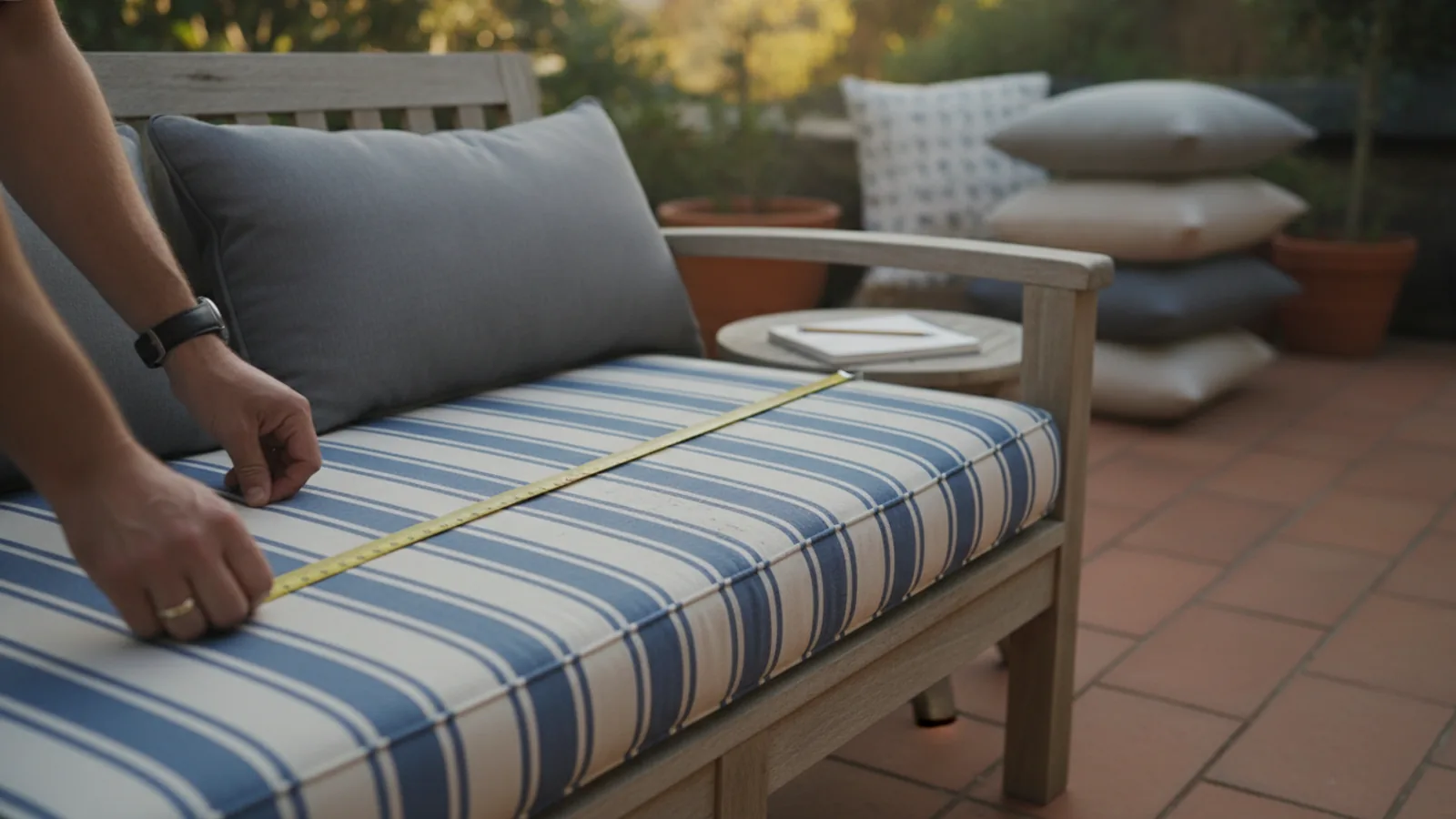
Measuring your delivery route before ordering a sofa prevents the frustration of a piece that cannot fit through doors, hallways, or stairwells. This guide walks you through a calm, practical process using simple tools and careful checks. You will learn how to map the path from curb to room, account for tight turns, and confirm that the sofa you want will actually arrive where you need it.
Fast Answer
- Measure every opening along the route, including the front door, hallway, stairwell, and final room door, then compare the smallest width and height to the sofa's dimensions.
- Use a tape measure and a helper to record clearances, then draw a simple floor plan and mark any tight turns or low ceilings that could block the sofa.
Before You Start
- Gather a steel tape measure at least 25 feet long, a notepad, a pencil, and a helper to hold the other end of the tape for accurate readings.
- Clear the planned path of shoes, rugs, furniture, and other obstacles so you can measure the true clear width and height of every opening.
- Print or sketch a simple floor plan of your home, marking the entry point, hallways, stairwells, and the exact spot where the sofa will sit.
- Check the sofa's product page for its overall dimensions, including width, depth, height, and the diagonal depth of the arms and back.
Step-by-Step Instructions
Measure the entry door and threshold
Start at the main entry point where the delivery team will bring the sofa into your home. Open the door fully and measure the clear width from the door frame on one side to the other, not just the door itself. Then measure the clear height from the threshold to the top of the frame. If there is a storm door or a second door, measure that opening as well. Write down the smallest width and height, because the sofa must pass through the tightest point. Also check for a raised threshold or a step that could reduce clearance. This matters because a sofa that fits through the doorway width may still fail if the height is too low for its back or arms. Knowing these numbers early tells you whether you need to consider a different entry or a sofa that ships in sections.
Map the hallway and corners
Walk the entire path from the entry door to the room where the sofa will live. Measure the narrowest point of every hallway, including any protruding door frames, radiators, or wall-mounted fixtures. At each corner, measure both the width of the corridor and the depth of the turn. Use a tape measure to record the distance from the corner to the nearest obstruction on the inside of the turn. A sofa is often longer than the hallway is wide, so it must pivot around corners. Write down the smallest width and the tightest turn radius. This check matters because a sofa that fits through the front door can still get stuck in a narrow L-shaped hallway. Knowing the tightest turn helps you decide if a smaller sofa or a disassembled delivery is necessary.
Evaluate stairwells and landings
If your home has stairs, measure the width and height of the stairwell at the narrowest point, including any handrails or banisters that reduce clearance. Measure the depth of each landing and the height of the ceiling above the stairs. For a sofa to go up or down stairs, it must clear the steps, the walls, and the ceiling as it tilts. Measure the diagonal distance from the back of one step to the ceiling above the next step. Also check for a turn at the top or bottom of the stairs. Record these numbers carefully. This step is critical because stairwells are often the most restrictive part of a delivery route. A sofa that passes through every door may still be impossible to carry up a tight staircase, so confirming this early saves time and returns.
Check the final room door and interior
Measure the door to the room where the sofa will be placed, including the clear width and height when the door is open. If the door opens inward, measure how far it swings and whether it blocks the path. Inside the room, measure the space where the sofa will sit, plus any tight turns needed to position it. Check for low windowsills, radiators, or built-in shelves that could interfere. Also measure the diagonal depth of the sofa against the room's entry path. Write down the smallest opening and the available floor space. This matters because even if the sofa reaches the room door, it must still fit inside and be maneuverable into place. A final check here prevents a sofa from being left in a hallway because it cannot make the last turn.
Confirm sofa dimensions and packaging
Look up the sofa's overall dimensions on the product page, including width, depth, height, and the diagonal depth of the arms and back. If the sofa ships in a box, find the box dimensions and weight. Compare these numbers to every measurement you recorded along the route. The sofa must be smaller than the smallest width and height at each point. Remember that packaging can add inches, so measure the box, not just the sofa. If the sofa has removable legs or arms, check whether those can be taken off to reduce size. This step is essential because delivery teams work with the packaged item, and a sofa that fits without packaging may not fit in its box. Verifying both dimensions prevents a failed delivery.
Plan for the turn and final placement
Walk the route one more time with your measurements in hand. At each turn, imagine the sofa pivoting and check if there is enough space for the delivery team to maneuver. Measure the distance from the turn to the nearest wall or obstacle. If the turn is too tight, consider removing a door from its hinges or taking a window out, but only if it is safe and permitted. Decide on the exact final position and measure the space needed to slide the sofa into place. Note any furniture that must be moved. This final planning step matters because a successful delivery depends on the last few feet, not just the doorway. By thinking through the pivot points and final placement, you can avoid damage and delays on delivery day.
Quick Reference
| Situation | Action | Why it helps |
|---|---|---|
| The front door is wide enough but the hallway has a sharp corner. | Measure the hallway width and the corner depth, then compare to the sofa's diagonal depth; if it is close, plan to remove the door or choose a smaller sofa. | Sofas pivot around corners, and a tight corner can block a sofa even when the door width is fine. |
| You live in an apartment with a stairwell and a narrow landing. | Measure the stairwell width, ceiling height, and landing depth, then check if the sofa can be tilted through the space without hitting walls or ceiling. | Stairwells are often the most restrictive point, and a sofa that fits elsewhere may still fail here. |
| The sofa ships in a box and you are unsure about packaging size. | Find the box dimensions and weight on the product page, then compare them to your smallest route measurement; if the box is larger, measure the unpacked sofa as a backup. | Packaging adds bulk, and delivery teams move the boxed item, so box dimensions are the true test. |
Common Issues
- You measured only the front door and forgot the interior hallway.: Walk the entire route from curb to room and measure every opening, including hallway width, corner turns, and the final room door; write down the smallest width and height you find.
- You ignored the sofa's diagonal depth and only checked width and height.: Measure the sofa's diagonal depth from the front of the seat to the back of the frame, then compare it to the tightest turn; this diagonal often determines whether the sofa can pivot around a corner.
- You assumed the sofa would fit without checking stairwell ceiling height.: Measure the ceiling height above each step and the vertical clearance on landings; if the sofa must be tilted, calculate the diagonal height needed and compare it to your measurements.
Advanced Tips
- Use a laser measure for long hallways and high ceilings, but verify critical clearances with a steel tape because laser tools can be less accurate at corners.
- Create a scale drawing on graph paper with one square equal to one foot; this lets you move a paper sofa template around corners to test the fit visually.
- Ask the delivery company for the dimensions of their truck and lift gate, then measure your driveway or street access to ensure the truck can reach your home.
Final Checklist
- Record the clear width and height of every door, hallway, stairwell, and turn along the route from entry to final room.
- Compare the sofa's overall dimensions, including diagonal depth, to the smallest measurement at each point along the route.
- Check packaging dimensions and weight if the sofa ships in a box, and note whether legs or arms can be removed.
- Walk the route with a helper and confirm there is enough space for the delivery team to pivot and place the sofa without damaging walls or the sofa.
FAQ
What tools do I need to measure a delivery route?
You need a steel tape measure at least 25 feet long, a notepad, a pencil, and a helper to hold the other end of the tape. A laser measure can help for long distances, but always verify tight clearances with a steel tape for accuracy.
How do I measure a corner for a sofa delivery?
Measure the width of the hallway at the corner and the depth of the turn from the inside corner to the opposite wall. Then compare the sofa's diagonal depth to those numbers. If the diagonal is larger than the space, the sofa cannot pivot around that corner without removing a door or choosing a smaller model.
What if the sofa does not fit through my door?
First, check if the sofa has removable legs or arms that can reduce its size. Second, measure whether removing the door from its hinges adds enough clearance. If neither works, consider a different sofa that ships in sections or a model with smaller dimensions. Always measure before ordering to avoid this situation.