How To Choose A Weatherproof Storage Box For Garden Textiles
A practical step-by-step guide to how to choose a weatherproof storage box for garden textiles, including preparation, instructions, common issues, tips, and next steps.
How To Choose A Weatherproof Storage Box For Garden Textiles
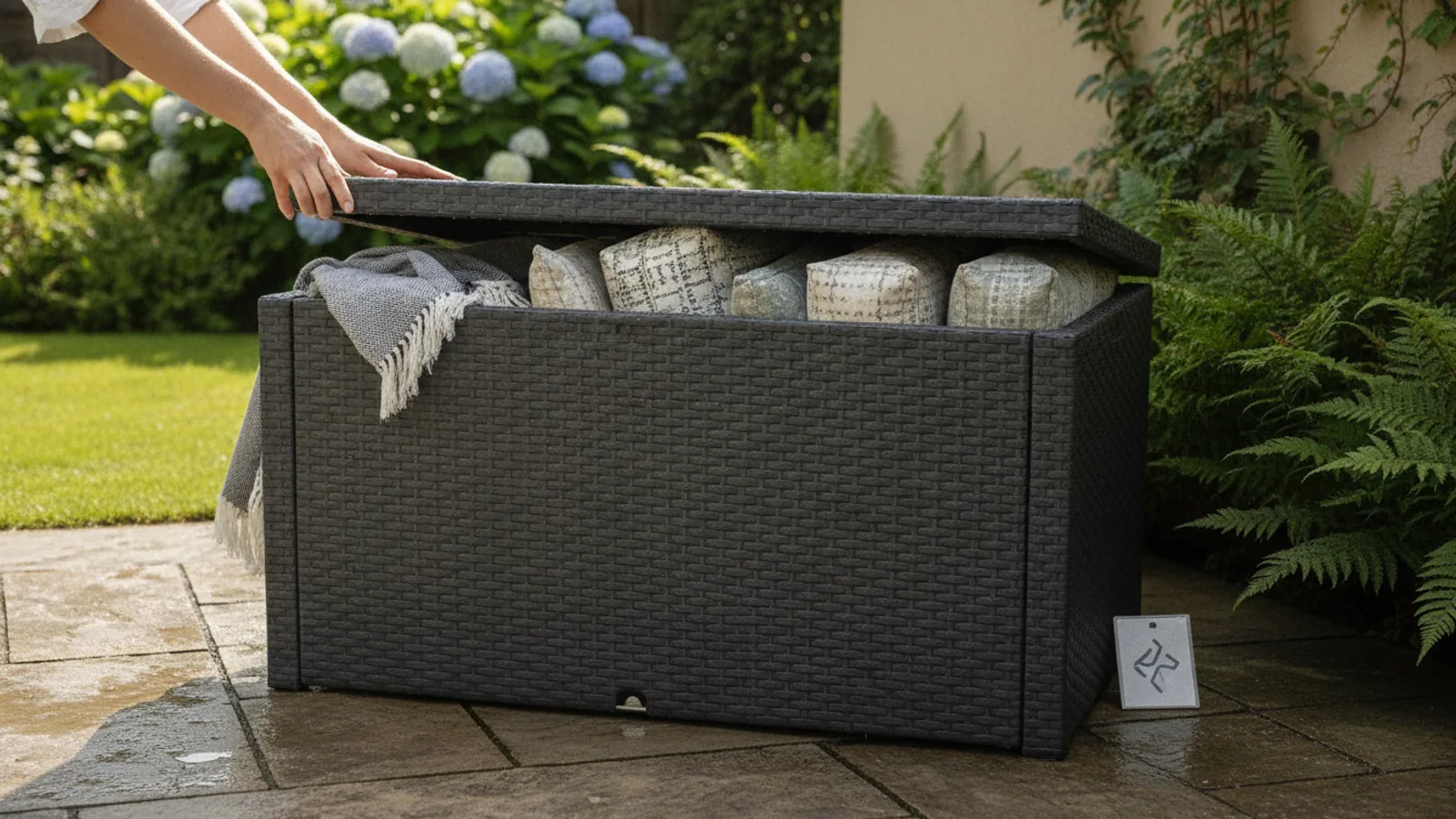
A weatherproof storage box protects garden textiles from rain, damp, sunlight, and pests. Choosing well means checking the lid seal, material strength, ventilation, and how it fits your space. This guide helps you compare boxes calmly and pick one that keeps cushions, covers, and fabrics dry and ready to use.
Fast Answer
- Look for a box with a tight-fitting lid, a raised base, and a proven seal against rain and ground moisture.
- Measure your largest folded textile first, then choose a box that leaves a little airflow space around it.
Before You Start
- Gather your largest garden textiles, such as cushions, parasols, or furniture covers, and fold them as you normally would for storage.
- Measure the folded stack in three dimensions and write down the numbers so you can compare them directly with box interior sizes.
- Choose a dry day to inspect your storage spot, noting how much rain, sun, or splashing the area receives through the year.
- Decide on a realistic budget and prioritise a secure lid and sturdy base over extra features you may not need.
Step-by-Step Instructions
Measure Your Textiles and Storage Spot
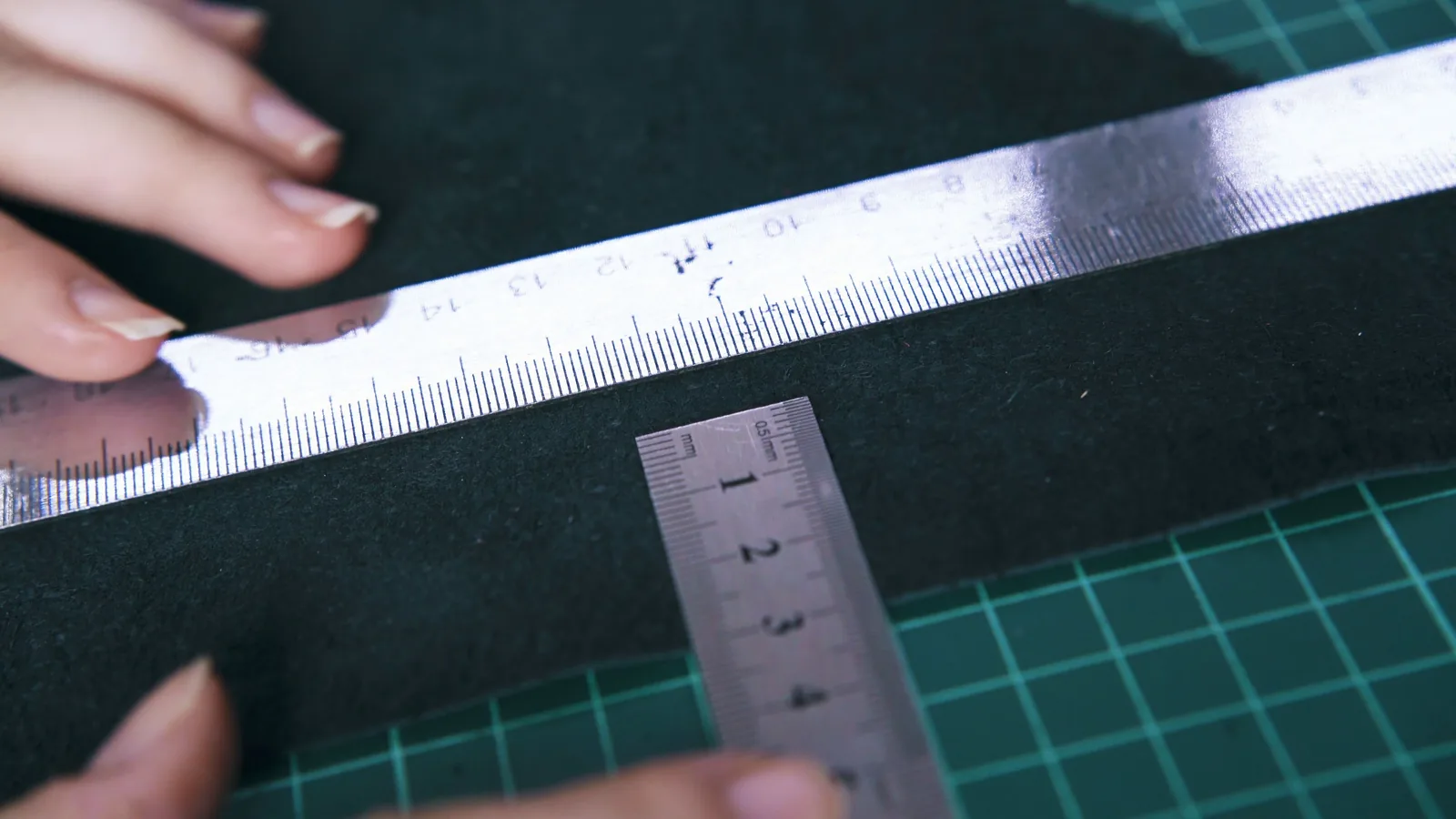
Start by measuring the folded textiles you plan to store. Place them in a single stack, press down gently, and record the length, width, and height in centimetres. Add about five centimetres to each dimension so air can move around the fabric. Next, measure the space where the box will sit, including height if it goes under a bench or shelf. Check that you can open the lid fully without scraping a wall or door. Write these numbers down and take them with you when you shop. This step matters because a box that is too small forces you to cram textiles, which traps moisture and creases fabric. A box that is too large may not fit your space or may be hard to move when full. Accurate measurements prevent returns and wasted effort.
Check the Lid Seal and Closing Method
Inspect how the lid meets the box body. A good seal uses a rubber gasket, a deep overlapping lip, or a channel that sheds water away from the opening. Close the lid and look for gaps by holding it up to a light source. Run your finger along the seal to feel for soft, continuous contact rather than hard plastic edges. If the box has latches or clips, fasten them and try to lift the lid gently. It should not shift or open. This check matters because rain often enters through the top, not the sides. A weak seal lets water pool and drip onto textiles, even if the box looks sturdy. A strong seal also keeps out dust, insects, and small rodents that can nest in fabric.
Choose a Material That Handles Your Climate
Think about the weather your box will face. Strong, thick plastic resists rain and is easy to wipe clean. Resin or heavy-duty polymer blends can handle sunlight without becoming brittle too quickly. Metal boxes may rust at scratches or seams unless they are well coated. Wood can look good but needs regular treatment and may stay damp inside. Check the material for UV resistance by looking for a label or description that mentions outdoor use. Tap the sides: a hollow, thin sound often means the box may crack in cold weather. A thick, solid sound suggests better durability. This choice matters because a material that fails in your climate will let water in or break at the hinges, turning a simple storage plan into a messy repair or replacement.
Evaluate Ventilation and Moisture Control
A weatherproof box should keep rain out but still allow some air movement. Look for small vents covered with mesh, or a design that lets you leave the lid slightly open on dry days. Avoid boxes that are completely sealed with no airflow, because trapped damp air can cause mildew even when no rain enters. If the box has no vents, plan to open it regularly on dry days and consider placing reusable moisture absorbers inside. Check that any vent is placed high on the side and shielded from rain, so water cannot blow in. This step matters because garden textiles often hold a little moisture from the air or from earlier use. Without a way to dry out, that moisture condenses on cold nights and feeds mould. Good ventilation keeps fabric fresh and ready for the next season.
Inspect the Base, Feet, and Floor Contact
Turn the box over or look underneath. A good base has small feet, runners, or a raised edge that lifts the floor above the ground. This gap stops water from soaking up through the bottom during heavy rain or when the ground is wet. Check that the base feels rigid and does not flex when you press it. If the box will sit on grass or soil, place it on a flat paving stone or a wooden pallet to keep it level and dry. Look for drain holes or channels that let any water escape rather than pool inside. This check matters because ground moisture is a common cause of damp textiles, even when the lid seals well. A raised, rigid base protects the contents from below and helps the box stay stable when you open it.
Test Handles, Weight, and Daily Use
Fill the box with your folded textiles before you decide. Lift it by the handles and walk a few steps. The handles should feel firmly attached and wide enough for your hands. Check that the lid opens smoothly and stays open while you load or unload, or that it can be removed easily. If the box is heavy when full, consider a smaller size or one with wheels for moving. Make sure you can reach the bottom without straining. This practical test matters because a box that is awkward to use will stay closed with damp items inside, or you may avoid storing things properly. A comfortable box encourages you to air and check your textiles regularly, which keeps them in better condition.
Quick Reference
| Situation | Action | Why it helps |
|---|---|---|
| Your storage spot gets direct rain or splashes from a downpipe. | Choose a box with a deep overlapping lid, a rubber gasket, and a raised base, then place it on a paving slab so splashes drain away. | Rain often enters at the lid seam or wicks up from a wet floor, so extra protection at the top and bottom keeps textiles dry. |
| You have limited space and need a box that fits under a bench. | Measure the gap height, then pick a box with a flat lid and no tall handles, and check that the lid can open without hitting the bench above. | A box that cannot open fully is hard to load properly, which leads to cramming and trapped moisture that damages fabric. |
| Your textiles are bulky and you worry about mould. | Select a box with mesh vents or a design that allows you to prop the lid open on dry days, and add a reusable moisture absorber inside. | Air movement and moisture control stop damp air from condensing on cold nights, which is the main cause of mildew in stored fabric. |
Common Issues
- Water pools on top of the lid and drips inside when you open it.: Look for a lid with a raised rim or a slope that directs water away from the opening. If your box already has a flat lid, wipe it dry before opening and store it under a cover or in a more sheltered spot so rain cannot collect.
- Textiles smell musty even though the box has never been rained on.: This usually means damp air is trapped inside. Air the textiles on a dry day, clean the box, and add ventilation by propping the lid slightly or installing a small mesh vent. Use a moisture absorber and check it monthly, replacing or recharging it as needed.
- The box becomes brittle and cracks after a cold winter.: Choose a material labelled for outdoor use and cold resistance. Avoid moving or dropping the box in freezing weather, and place it on a flat surface so the base does not flex. If a crack appears, seal it with a suitable outdoor repair tape and check for moisture inside.
Advanced Tips
- Line the bottom of the box with a thin, breathable mat or a few wooden slats to lift textiles off the floor and let air move underneath.
- Store textiles in cotton pillowcases or breathable fabric bags rather than sealed plastic bags, so any remaining moisture can escape instead of being trapped.
- Create a simple rotation system with labels and dates, and check each box at the start of every season to air contents and catch any damp early.
Final Checklist
- Confirm the box has a tight lid seal, a raised base, and a size that fits your largest folded textile with a little airflow space.
- Check the material is suitable for your climate and that handles, hinges, and latches feel firm and easy to use.
- Make sure your storage spot is level, away from direct splashing, and allows the lid to open fully without obstruction.
- Plan a simple routine to air the box on dry days and inspect textiles at least once each season.
FAQ
Can I use any plastic box as a weatherproof storage box?
No. Many plastic boxes are designed for indoor use and have thin walls, weak lids, and no seal against rain. A weatherproof box needs a tight lid, a raised base, and material that resists sunlight and cold. Check the product description for outdoor use and inspect the seal and base before you buy.
How do I stop condensation inside a sealed box?
Condensation happens when warm, damp air cools inside the box. Store only dry textiles, add a moisture absorber, and allow some airflow through vents or by propping the lid open on dry days. Check the absorber regularly and replace it when it becomes full, because a saturated absorber stops working.
Should I store garden textiles in vacuum bags inside the box?
Vacuum bags save space but can trap moisture if the textiles are not perfectly dry. They also press sharp folds into fabric. For long storage, a breathable cotton bag or a clean pillowcase inside a weatherproof box is often safer. If you use vacuum bags, check that textiles are bone dry and inspect them each season.